

Key Takeaways
-
Create a detailed waste management plan before starting to estimate debris volume, set diversion targets, and identify certified haulers
-
Sort construction debris by material type like concrete, wood, and metal to maximize recycling and reduce disposal costs
-
Identify and work with specialized recycling partners who can document high material diversion rates from landfills
-
Properly handle hazardous materials like asbestos and lead-based paint with correct protective equipment and disposal protocols
-
Choose the right dumpster size and service type based on project scope to avoid unnecessary expenses
-
Schedule periodic cleanups during the project to maintain safety, improve organization, and prevent debris accumulation
Picture this: your construction project is finally complete, but now you’re staring at mountains of debris, wondering where to start. Many property owners and contractors make critical errors during cleanup that lead to safety hazards, regulatory fines, and unnecessary expenses. Whether you’re preparing a property for sale, rental, or your next Airbnb guest, understanding construction debris cleanup mistakes can save you time, money, and headaches. Let’s explore the common pitfalls that turn cleanup from a straightforward task into a costly nightmare—and more importantly, how to avoid them.
Construction debris cleanup is more than just throwing everything into a dumpster and calling it a day. It requires strategic planning, proper waste sorting, and knowledge of recycling opportunities that can significantly reduce your costs. With professional junk removal services becoming increasingly essential for property turnover projects, knowing what mistakes to avoid ensures your site stays safe, compliant, and budget-friendly throughout the cleanup process.
Failing to Create a Waste Management Plan Before Starting
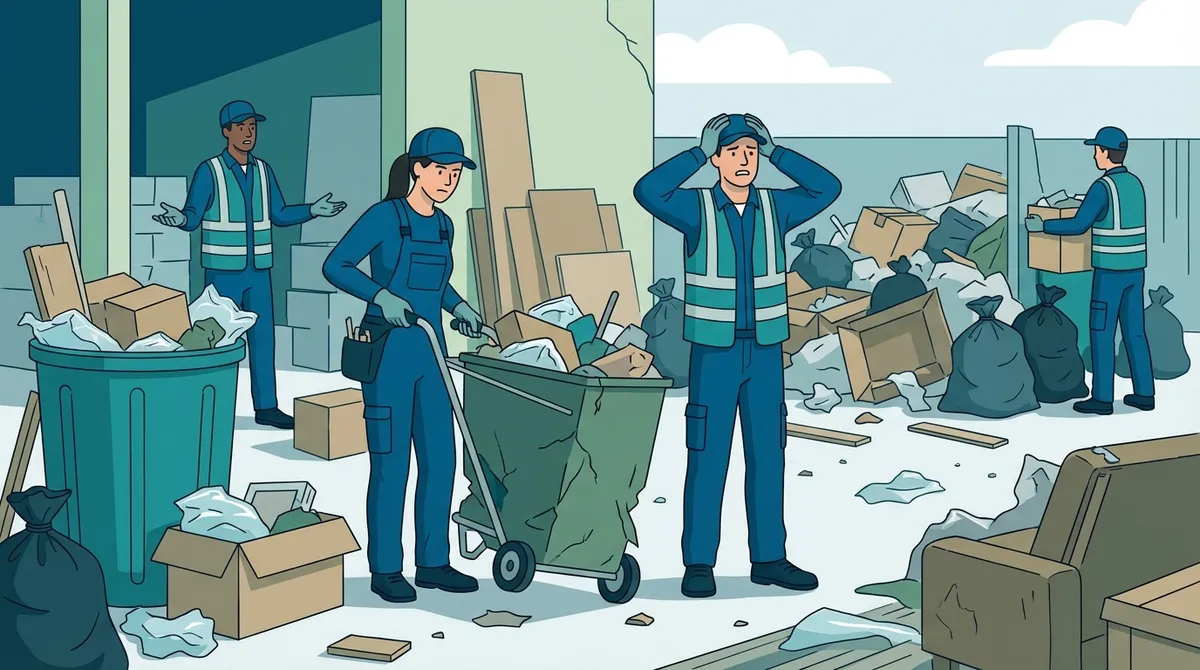
One of the biggest mistakes contractors and property owners make is diving into cleanup without a solid waste management plan. This oversight leads to chaotic job sites, mixed waste streams, and significantly higher disposal costs. A proper plan should estimate debris volume, set diversion targets, designate sorting areas, and identify certified haulers before demolition or construction even begins.
According to waste management data, projects without pre-planned debris strategies can see costs spiral between $200 to $900 per dumpster, with many requiring multiple containers due to poor planning. When you fail to estimate the volume of concrete, wood, metal, and other materials you’ll generate, you end up either paying for unused dumpster space or scrambling to rent additional containers mid-project.
A comprehensive waste management plan should include:
- Estimated debris volume by material type (concrete, wood, metal, drywall, etc.)
- Specific diversion goals for recyclable materials
- Designated on-site sorting zones with clear signage
- Selected certified haulers and recycling facilities identified early
- Timeline for periodic cleanups throughout the project
For property owners preparing homes for sale or Airbnb rental, this planning phase is crucial. Companies like Tropical Cleaning & Painting specialize in turnover services that include debris cleanup, ensuring properties are clean, safe, and ready for their next chapter without the typical cleanup chaos.
Mixing All Debris Together Instead of Sorting
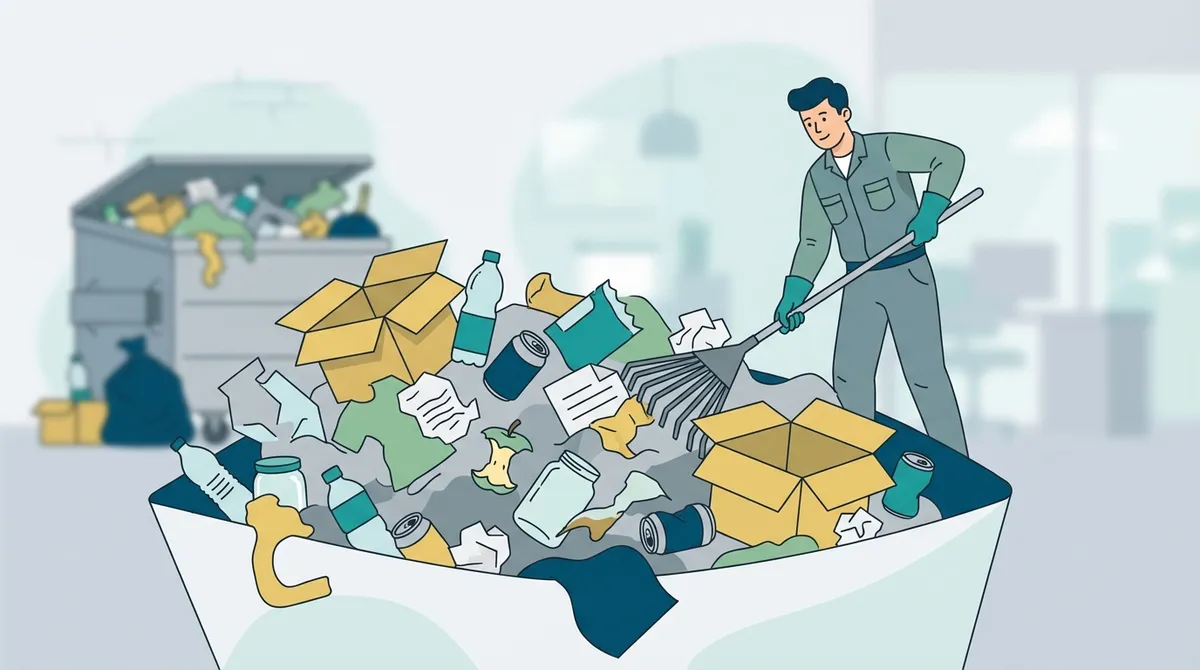
Tossing everything into one pile might seem efficient in the moment, but it’s actually one of the costliest mistakes you can make. Mixed construction debris is significantly more expensive to dispose of and eliminates opportunities for recycling, which could offset your cleanup costs substantially.
Waste sorting at the source separates materials like concrete, wood, metal, plastics, and hazardous waste to facilitate recycling and reduce disposal costs. When materials are properly sorted, recycling rates for items like concrete can exceed 95%, while mixed loads typically end up entirely in landfills at premium rates.
Here’s what proper sorting looks like:
| Material Type | Recycling Rate | Disposal Cost | Recycling Benefit |
|---|---|---|---|
| Concrete & Masonry | 95%+ | $100-$150/ton | Can be crushed for road base |
| Wood | 60-70% | $30-$50/ton | Repurposed for mulch or biomass |
| Metals (Steel, Copper) | 90%+ | Often free pickup | Melted and reused in manufacturing |
| Mixed Debris | 10-15% | $200-$300/ton | Limited recycling opportunities |
Professional services understand these distinctions and can recycle up to 60% more waste than DIY methods by implementing proper sorting protocols. This expertise becomes particularly valuable for property turnover & prep services where time and efficiency are critical.
Setting Up Effective Sorting Zones
Create clearly marked areas on your job site for different material types. Use color-coded bins or signage that even temporary workers can understand quickly. Position sorting zones strategically near where materials are generated—concrete bins near demolition areas, wood scraps near carpentry stations, and so on.
This simple organizational step can reduce cleanup time by up to 80% compared to sorting mixed piles after the fact. Your crew saves time, your hauling costs decrease, and you gain access to recycling revenue streams that wouldn’t exist with mixed waste.

Ignoring Recycling Opportunities That Save Money
Many people view construction debris as worthless trash, but that couldn’t be further from the truth. Concrete and masonry comprise 40-50% of construction and demolition waste, and with proper handling, they can generate revenue rather than costs. Clean concrete loads can be processed into recycled concrete aggregate that sells for $2.76 to $6.70 per ton, effectively offsetting processing expenses.
Beyond concrete, numerous materials offer substantial recycling value:
- Metals: Steel, copper, aluminum, and brass can often be hauled away for free or even provide payment, depending on current market rates and quantity.
- Wood: Clean lumber can be repurposed for new projects, ground into mulch, or converted to biomass fuel, diverting significant volumes from landfills.
- Drywall: Gypsum-based products can be recycled into new drywall or used as soil amendment in agriculture.
- Asphalt Shingles: These can be processed into pavement material, with recycling programs available in many areas.
Eco-friendly practices like on-site sorting and partnerships with specialized recycling facilities can recycle substantially more waste than traditional disposal methods. This approach not only reduces environmental impact but can also contribute to LEED certification if that’s part of your project goals. LEED v4 requires diverting 75% of construction and demolition debris by targeting five material streams for certification points.
For landlords and property owners managing rental properties, understanding these recycling opportunities can transform cleanup from a pure expense into a partially revenue-generating activity. When you’re turning over multiple properties throughout the year, these savings add up quickly.
Finding the Right Recycling Partners
Not all haulers offer the same recycling services. Before selecting a debris removal company, ask specific questions about their recycling capabilities, the facilities they work with, and what percentage of materials they typically divert from landfills. Companies with established recycling partnerships can often provide documentation of diversion rates, which matters for both environmental goals and potential tax incentives.

Underestimating the Dangers of Hazardous Materials
Perhaps the most dangerous mistake in construction debris cleanup is improper handling of hazardous materials. Asbestos, lead-based paint, treated wood, old adhesives, and various chemical products require special handling, labeling, and personal protective equipment for compliance with environmental and safety regulations.
Mixing hazardous materials with general debris creates serious problems:
- Entire loads may be rejected at disposal facilities, resulting in redelivery fees
- You could face substantial fines from environmental agencies for improper disposal
- Workers and future occupants face health risks from exposure
- Your project timeline extends significantly due to remediation requirements
- Liability increases if contamination spreads beyond your property
Before beginning any demolition or cleanup, conduct a thorough site assessment to identify potential hazardous materials. Buildings constructed before 1980 commonly contain asbestos in insulation, flooring, and siding. Lead paint was standard in homes built before 1978. Treated lumber contains chemicals that require separate disposal protocols.
Professional cleanup services understand these requirements and have the proper licensing, insurance, and equipment to handle hazardous materials safely. For property owners preparing homes for sale, this professional expertise ensures compliance and protects you from future liability claims. Tropical Cleaning & Painting offers comprehensive specialty cleaning services that account for these critical safety considerations during property preparation.
Required PPE and Handling Protocols
When dealing with potentially hazardous materials, never compromise on personal protective equipment. Respiratory protection, protective clothing, gloves, and eye protection aren’t optional—they’re essential. Additionally, materials must be properly labeled, stored in designated containers, and transported only by licensed hazardous waste haulers.
Documentation is equally important. Maintain records of hazardous material identification, handling procedures, and disposal receipts. These documents protect you legally and provide evidence of compliance if questions arise during property transfers or inspections.
Choosing the Wrong Dumpster Size or Service Type
Dumpster size selection seems straightforward, but getting it wrong costs money and creates logistical headaches. Rent too small, and you’ll pay for additional hauls or a second container. Rent too large, and you’re paying for unused capacity. Understanding dumpster capacities and matching them to your project scope is essential.
Standard dumpster sizes and their typical capacities include:
| Dumpster Size | Capacity (Cubic Yards) | Weight Limit | Best For |
|---|---|---|---|
| 10-Yard | 10 | 2-3 tons | Small bathroom remodels, minor cleanouts |
| 20-Yard | 20 | 3-4 tons | Kitchen renovations, garage cleanouts |
| 30-Yard | 30 | 4-7 tons | Home additions, large renovations |
| 40-Yard | 40 | 7-10 tons | Complete home demolitions, commercial projects |
Beyond size, you also need to decide between dumpster rental and full-service hauling. Dumpster rentals work well when you have time to fill them gradually and can manage loading yourself. Full-service hauling, where professionals handle all loading and removal, makes sense for projects where time is critical or when you lack the labor for manual loading.
Professional debris hauling services bring significant advantages beyond just removing waste. They reduce cleanup time dramatically, handle all sorting and loading, ensure proper disposal and recycling, and provide the equipment and expertise to manage heavy or bulky materials safely. For Airbnb hosts and short-term rental owners who need rapid property turnover between guests, full-service hauling eliminates the stress and physical demands of debris management.
Timing Your Dumpster Rental
Don’t wait until debris is piling up to order your dumpster. Schedule delivery before demolition begins, ensuring you have immediate disposal capacity. Conversely, avoid ordering too early—most rentals include a limited timeframe (typically 7-14 days), and keeping a dumpster longer incurs daily fees that add up quickly.
Coordinate your dumpster schedule with project milestones. For phased renovations, consider multiple smaller dumpsters timed to specific project stages rather than one large container sitting on-site for months.
Neglecting Regular Cleanup During the Project
Waiting until project completion to address debris creates numerous problems that could have been easily avoided. Scheduling periodic cleanups during construction prevents clutter accumulation, improves worker safety by reducing trip hazards, maintains better organization of tools and materials, and prevents project delays caused by obstructed work areas.
Daily or weekly cleanup routines should include:
- End-of-day sweeping: Remove nails, screws, and small debris that create puncture hazards
- Material consolidation: Keep sorted piles organized and contained in designated areas
- Pathway clearing: Maintain clear access routes for workers and equipment
- Hazard identification: Remove or clearly mark dangerous materials or structural concerns
Professional project managers understand that ongoing cleanup isn’t just about aesthetics—it’s a critical safety and efficiency measure. Sites with regular cleanup schedules experience fewer injuries, faster completion times, and better quality control because workers can focus on their tasks rather than navigating obstacle courses.
For real estate agents and home sellers preparing properties for market, maintaining a clean site throughout renovation projects also creates better impressions during interim inspections or early showings. A well-organized, debris-free work site signals professionalism and care that reflects positively on the property itself.
Creating a Cleanup Schedule
Integrate cleanup into your project timeline as a regular task, not an afterthought. Assign specific crew members to cleanup duties each day, or designate a cleanup day at the end of each project phase. Many contractors find that dedicating the last 30 minutes of each workday to site organization pays dividends in next-day productivity and safety.
For larger projects, consider scheduling professional cleanup services at key milestones—after demolition, after rough construction, and before final inspections. This ensures thorough attention to detail that busy crews might overlook during intense work periods.
DIY Cleanup Without Proper Equipment or Expertise
The appeal of DIY debris removal is understandable—you save on labor costs and maintain direct control. However, construction debris cleanup requires specialized equipment, knowledge of disposal regulations, and physical capability that most property owners underestimate. What seems like a cost-saving measure often becomes more expensive and time-consuming than professional services.
Consider what’s actually involved in effective debris cleanup:
- Heavy lifting of materials like concrete chunks, drywall sheets, and lumber bundles
- Loading efficiency to maximize dumpster capacity and minimize trips
- Knowledge of which materials can be combined and which require separation
- Understanding of local disposal facility requirements and restrictions
- Equipment like trucks, trailers, safety gear, and loading tools
- Time investment that could be spent on revenue-generating activities
Professional services reduce cleanup time significantly—often by up to 80%—compared to DIY efforts. They bring industrial equipment, trained crews, and established relationships with disposal and recycling facilities. Most importantly, they carry insurance that protects you from liability if injuries or property damage occur during cleanup.
For commercial property managers and landlords managing multiple properties, the time-value equation of DIY cleanup rarely makes financial sense. Your time is better spent managing properties, working with tenants, or focusing on your primary business activities. Professional repair services and cleanup providers handle the heavy lifting while you focus on what you do best.
When DIY Makes Sense vs. When to Hire Professionals
Small-scale projects with minimal debris—like a single-room refresh or minor repairs—might be manageable as DIY projects if you have appropriate vehicles and disposal access. However, any project involving structural changes, multiple rooms, or materials requiring special disposal should involve professional cleanup services.
The break-even point typically occurs when your time investment, equipment rental costs, and disposal fees equal or exceed professional service rates. Factor in injury risk and the learning curve for proper disposal, and professional services often prove more economical even for moderately sized projects.
Ignoring Local Regulations and Permit Requirements
Every municipality has specific regulations governing construction debris disposal, but many property owners don’t discover this until they’re facing fines or stop-work orders. Dumpster placement often requires permits, especially if positioned on public streets. Certain materials have restricted disposal methods. Noise ordinances may limit cleanup hours. Weight limits on residential driveways might restrict where dumpsters can sit.
Before beginning any cleanup operation, research your local requirements:
- Dumpster permits: Check if your city requires permits for dumpster placement and what the associated costs and restrictions are
- Material restrictions: Identify prohibited materials in standard waste streams (electronics, appliances, tires, batteries)
- Noise ordinances: Verify permitted hours for loud cleanup activities in residential areas
- Environmental regulations: Understand requirements for handling potentially contaminated materials
- Weight restrictions: Confirm your driveway or intended placement area can safely support loaded dumpster weight
Reputable debris removal companies understand local regulations and include permit acquisition in their service packages. They know which materials require special handling in your area and maintain relationships with appropriate disposal facilities. This knowledge prevents regulatory issues that could delay your project or result in costly violations.
For property owners and real estate professionals working on tight timelines to prepare homes for sale or rental, regulatory compliance is non-negotiable. One violation can derail your entire schedule and create complications during property transfers. Working with experienced professionals who understand local requirements eliminates this risk.
Documenting Compliance
Maintain records of all permits, disposal receipts, and recycling documentation. These documents prove regulatory compliance if questions arise during property inspections, sales, or future construction projects. Many buyers and their attorneys request this documentation during due diligence, and having it readily available streamlines transactions.
Final Thoughts on Avoiding Costly Cleanup Mistakes
Construction debris cleanup doesn’t have to be the overwhelming, expensive ordeal that many property owners experience. By avoiding these common mistakes—failing to plan, mixing materials, ignoring recycling opportunities, mishandling hazardous waste, choosing inappropriate services, neglecting ongoing cleanup, attempting DIY beyond your capabilities, and overlooking regulations—you can transform cleanup from a dreaded chore into a manageable, cost-effective process.
The key is recognizing that effective debris management requires expertise, proper equipment, and strategic planning. Whether you’re preparing a property for sale, turning over a rental between tenants, or readying your short-term rental for the next guests, professional services bring value that extends well beyond simple waste removal. They ensure safety, regulatory compliance, environmental responsibility, and time savings that allow you to focus on your core business activities.
Tropical Cleaning & Painting understands the unique challenges of property turnover and preparation. Our comprehensive approach includes not just debris removal but also painting services and repairs that ensure your property is truly ready for its next chapter. We’ve helped countless property owners, real estate agents, and property managers navigate the complexities of post-construction cleanup while staying on budget and schedule.
Don’t let construction debris cleanup become the bottleneck in your property preparation timeline. Learn from others’ mistakes and approach your next project with a solid plan, proper resources, and the right professional partners. Your property—and your peace of mind—deserve nothing less. Ready to transform your post-construction cleanup experience? Request a free quote today and discover how professional debris management creates the stress-free transitions you’ve been seeking.
We invite you to see what our satisfied clients have to say about our turnover and cleanup services. Visit us on Google to read reviews from property owners who’ve experienced the difference that professional, comprehensive cleanup services make. You can also connect with us on Facebook to stay updated on tips, projects, and special offers that help you manage your properties more effectively.
FAQs
Q: What’s the biggest mistake people make with construction debris cleanup?
A: The most common mistake is failing to sort debris by material type. When concrete, wood, metal, and other materials get mixed together, you lose recycling opportunities that could save hundreds of dollars and significantly increase disposal costs. Proper sorting at the source can recycle up to 95% of certain materials like concrete, whereas mixed debris typically ends up entirely in expensive landfills.
Q: How much does construction debris removal typically cost?
A: Construction debris removal costs vary widely based on volume and material type, ranging from $200 to $900 per dumpster. Sorted materials often cost less to dispose of, with concrete running $100-$150 per ton for recycling versus $200-$300 per ton for mixed debris. Professional full-service hauling may cost more upfront but often saves money by maximizing recycling opportunities and reducing the number of trips needed.
Q: Should I rent a dumpster or hire full-service debris removal?
A: This depends on your timeline, physical capability, and project size. Dumpster rentals work well for gradual projects where you can load materials yourself over several days. Full-service hauling makes more sense when time is critical, you lack labor for loading, or you’re dealing with heavy materials requiring special equipment. Professional services reduce cleanup time by up to 80% and recycle significantly more waste than DIY approaches.
Q: What construction materials can actually be recycled?
A: More materials than most people realize can be recycled! Concrete and masonry have recycling rates exceeding 95% and can be crushed for road base. Wood can be repurposed for mulch or biomass fuel. Metals like steel, copper, and aluminum are highly recyclable, often with free pickup. Even drywall, asphalt shingles, and certain plastics have recycling pathways. Professional debris services typically recycle 60% more waste than DIY methods by leveraging these opportunities.
Q: How do I safely handle hazardous construction debris?
A: Hazardous materials like asbestos, lead-based paint, and treated wood require separate handling with proper personal protective equipment including respirators, protective clothing, and gloves. These materials must be properly labeled, stored in designated containers, and transported only by licensed hazardous waste haulers. Never mix hazardous materials with general debris, as this creates serious health risks and regulatory violations. For properties built before 1980, professional assessment is highly recommended before beginning any demolition or cleanup.