

Key Takeaways
-
Thoroughly document pre- and post-tenant property condition with detailed photographs to comply with 2025 legal requirements.
-
Perform a comprehensive deep cleaning that goes beyond surface-level maintenance, addressing hidden grime and accumulated dirt in every room.
-
Distinguish between normal wear and tear and actual tenant damage to ensure fair security deposit handling and protect your property investment.
-
Conduct a pre-move-out inspection with tenants to set clear expectations and reduce potential disputes about property condition.
-
Complete property repairs systematically, focusing on restoring functionality and appearance beyond standard maintenance.
-
Prioritize neutral paint colors and fresh coatings to enhance property appeal and create a move-in ready atmosphere for prospective tenants.
-
Professional cleaning and repair services can save time, ensure high standards, and minimize property vacancy periods, especially for complex turnovers.
If you’re a landlord or property manager, you know that moment when tenants move out and hand over the keys. You walk through the door, holding your breath, wondering what you’ll find. Will the property be spotless, or will you discover mysterious stains and broken fixtures? Post-tenant cleaning and repairs are the essential steps that transform a vacated rental property back into a welcoming, market-ready space. Whether you’re preparing for new tenants, listing the property for sale, or converting it to a short-term rental, understanding this process can save you time, money, and countless headaches.
Post-tenant cleaning goes far beyond a quick vacuum and wipe-down. It’s a comprehensive deep clean that addresses every corner of the property, from baseboards to ceiling fans. Combined with necessary repairs, this process ensures your property meets safety standards, looks its best, and protects your investment. With new legal requirements taking effect in 2025, particularly in states like California, landlords must now document every step with photographs and itemized statements. Let’s dive into everything you need to know about post-tenant cleaning and repairs, including what’s involved, your legal obligations, and how to streamline the entire process.
Understanding Post-Tenant Cleaning Requirements
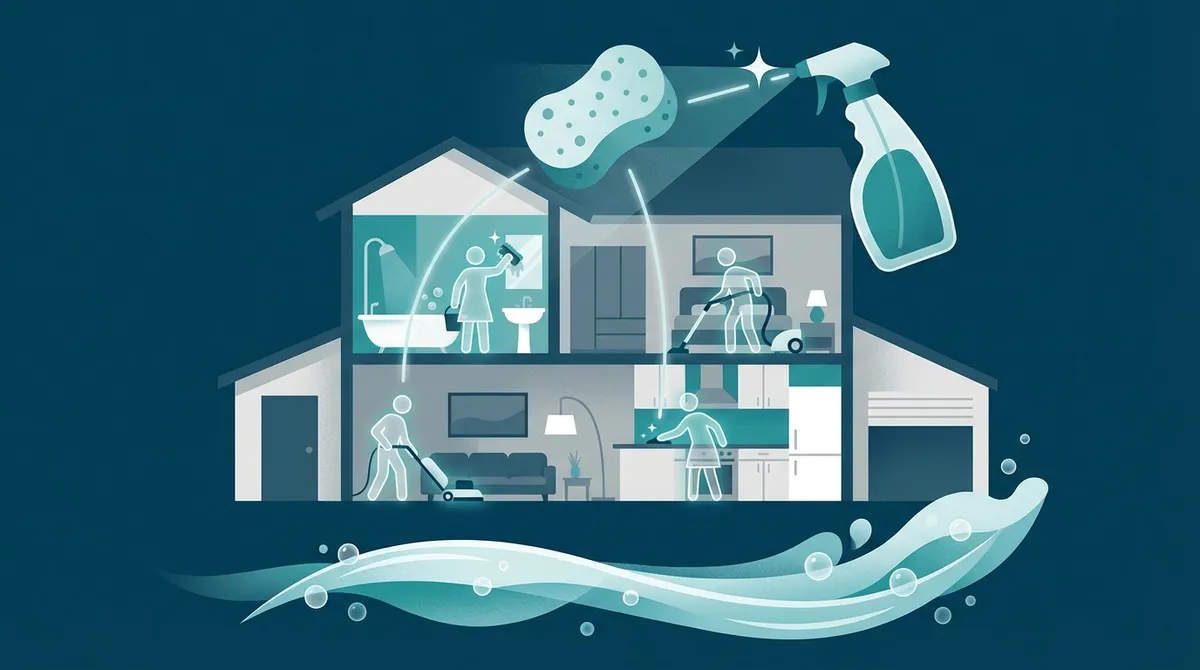
Post-tenant cleaning involves a thorough, room-by-room deep clean that restores the property to its original condition. This goes well beyond what tenants typically do during their regular cleaning routines. The goal is to prepare the space for new occupants by eliminating all traces of previous residents and ensuring every surface sparkles.
The scope of post-tenant cleaning typically includes living areas where you’ll dust all surfaces, vacuum and mop floors, clean windows inside and out, wipe down baseboards, and remove any cobwebs from corners and ceiling fans. In the kitchen, tasks involve degreasing the stovetop and range hood, cleaning inside and outside all appliances including the refrigerator and oven, wiping down cabinets and drawers both inside and out, sanitizing countertops and backsplashes, and scrubbing the sink and faucet fixtures.
Bathrooms require special attention with tasks like scrubbing toilets, tubs, and showers to remove soap scum and mildew, cleaning tile grout, sanitizing sinks and countertops, polishing mirrors and fixtures, and mopping floors with disinfectant. Bedrooms need dusting of all surfaces, vacuuming carpets or mopping hard floors, cleaning closets including shelves and rods, and wiping down light switches and outlet covers.
The Difference Between Regular and Deep Cleaning
Many landlords wonder why they can’t just do a regular cleaning between tenants. The truth is that regular maintenance cleaning addresses surface-level dirt and clutter, while deep cleaning tackles accumulated grime, hidden dust, and areas that haven’t been thoroughly cleaned in months or years. Deep cleaning reaches behind appliances, inside cabinets, and into corners that daily or weekly cleaning routines miss.
Think of it this way: regular cleaning maintains cleanliness, while deep cleaning restores it. After months or years of occupancy, properties need that comprehensive restoration to truly shine for prospective tenants or buyers. Professional services like property turnover & prep services specialize in this level of detailed work, ensuring nothing gets overlooked.
Essential Repairs After Tenant Move-Out
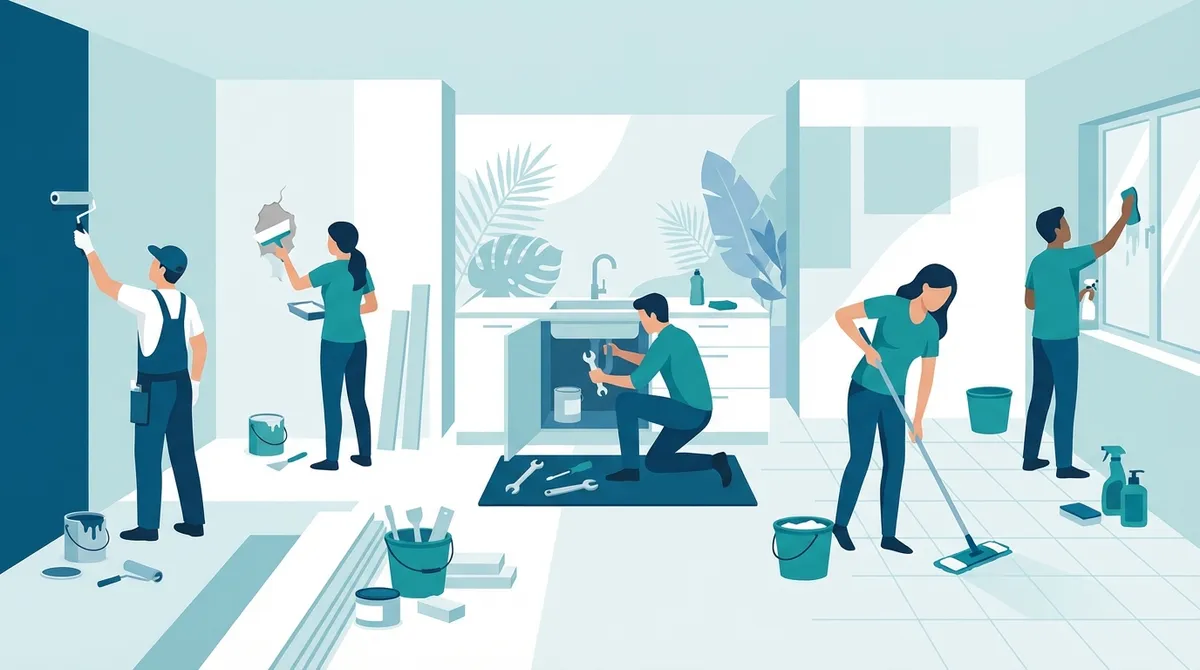
Once the property is clean, it’s time to assess what repairs are needed. Post-tenant repairs focus on restoring functionality and appearance beyond normal wear and tear. This is where documentation becomes absolutely critical, especially with new 2025 legal requirements that we’ll discuss shortly.
Common post-tenant repairs include patching and repainting walls where there are holes from picture hangers or damage, fixing or replacing broken fixtures like towel bars, cabinet handles, or light fixtures, repairing or replacing damaged flooring including carpet stains or scratches, addressing plumbing issues such as leaky faucets or running toilets, and replacing broken window blinds or damaged doors.
Normal Wear and Tear vs. Tenant Damage
One of the trickiest aspects of post-tenant repairs is distinguishing between normal wear and tear (which landlords must absorb) and actual damage (which can be deducted from security deposits). Normal wear and tear includes minor scuff marks on walls, faded paint or carpet from sunlight exposure, small nail holes from hanging pictures, worn areas in high-traffic zones, and minor scratches on flooring from regular use.
Tenant damage, on the other hand, includes large holes in walls, unauthorized paint colors, excessive pet damage beyond reasonable use, broken appliances or fixtures due to misuse, and deep stains or burns in carpets. Understanding this distinction helps you maintain good tenant relationships while protecting your property investment. Professional repair services can help assess what’s reasonable to charge back versus what’s expected property maintenance.

New 2025 Legal Requirements for Documentation
Here’s where things get really important for landlords. As of April 1, 2025, California’s AB 2801 introduces strict documentation requirements for post-tenant cleaning and repairs. While this law specifically applies to California, it reflects a growing trend toward transparency that property owners everywhere should embrace.
Under the new law, landlords must photograph the rental unit immediately after tenant move-out and before any cleaning or repairs begin. Then, after all work is completed, they must take another set of photos showing the restored condition. This before-and-after documentation must accompany any security deposit deductions, providing clear evidence of why charges were necessary.
Additionally, automatic or fixed cleaning charges are now prohibited. You can’t simply deduct a standard “$200 cleaning fee” from every departing tenant’s security deposit. Instead, deductions must be reasonable, necessary, and supported by actual costs incurred to restore the property beyond normal wear and tear. This means keeping receipts, invoicing, and detailed records of all work performed.
Providing Itemized Statements to Tenants
Along with photographs, landlords must provide a detailed, itemized statement of any deductions within the legally required timeframe (typically 21-30 days depending on your state). This statement should include specific descriptions of work performed, the cost of materials and labor for each item, and before-and-after photos showing the condition that necessitated the work.
For example, instead of writing “carpet cleaning – $150,” you’d specify “Professional steam cleaning of master bedroom carpet to remove pet stains and odors – $150” with accompanying photos showing the stains before and the clean carpet after. This level of transparency protects both parties and significantly reduces disputes.
Creating an Effective Move-Out Cleaning Checklist
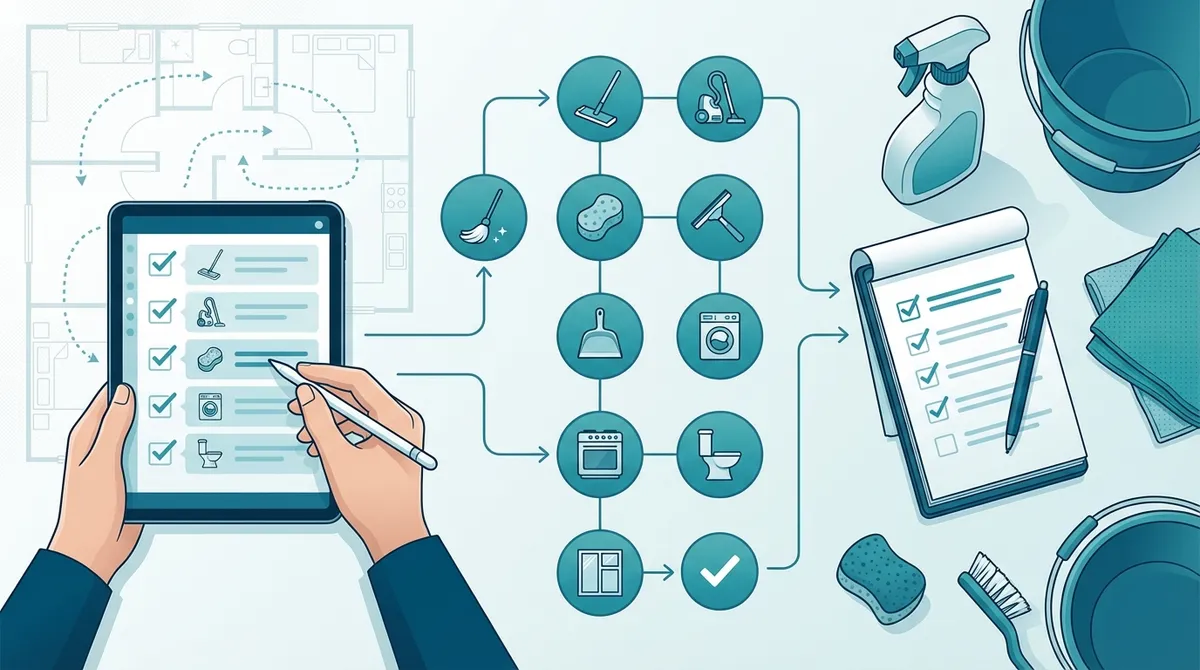
Whether you’re handling the cleaning yourself or hiring professionals, having a comprehensive checklist ensures nothing gets missed. A systematic approach room by room makes the process manageable and provides documentation that the property was thoroughly prepared.
Your kitchen checklist should include cleaning inside and outside the refrigerator, removing all food items and defrosting if necessary, cleaning inside and outside the oven, including racks and drip pans, wiping down the microwave inside and out, degreasing the stovetop and range hood, cleaning the dishwasher filter and running an empty cycle with cleaner, wiping down all cabinet fronts, drawers, and interior shelves, cleaning countertops and backsplash thoroughly, scrubbing the sink and polishing fixtures, sweeping and mopping floors, and taking out trash and replacing liners.
For bathrooms, your checklist should cover scrubbing and disinfecting toilets completely, including behind and around the base, cleaning tubs and showers, removing soap scum and mildew from tiles and grout, scrubbing sinks and polishing faucets, cleaning mirrors and light fixtures, wiping down cabinets and drawers inside and out, disinfecting countertops, sweeping and mopping floors with disinfectant, and replacing any shower curtains or liners if provided.
Don’t Forget Common Areas and Outdoor Spaces
Many landlords focus so intensely on interior rooms that they overlook entryways, hallways, laundry areas, and outdoor spaces. Your comprehensive checklist should also include sweeping porches, patios, and balconies, removing any debris from yards or outdoor storage areas, cleaning out garages or storage sheds, wiping down washer and dryer exteriors, and ensuring all light fixtures in common areas are working with fresh bulbs.
If you’re overwhelmed by the scope of what’s involved, companies like Tropical Cleaning & Painting specialize in specialty cleaning that covers every detail, giving you peace of mind that the property is truly move-in ready.
The Benefits of Pre-Move-Out Inspections
One of the smartest strategies landlords can implement is offering tenants a pre-move-out inspection. This optional walkthrough occurs about two weeks before the lease ends, giving tenants a chance to see exactly what you’ll be evaluating and address any issues themselves before the final inspection.
Pre-move-out inspections benefit everyone involved. For tenants, they provide clarity about what’s expected and an opportunity to fix issues before they impact their security deposit. For landlords, they reduce surprises, speed up the turnover process, and often result in properties being returned in better condition because tenants know specifically what needs attention.
During a pre-move-out inspection, walk through the property with the tenant and point out areas that need cleaning or repair. Be specific: “The grout in the bathroom needs scrubbing,” “This wall needs touch-up paint,” or “The carpet has some stains that will require professional cleaning.” Document this inspection with notes and photos, and provide the tenant with a copy so they know exactly what to address.
How Pre-Inspections Reduce Disputes
Security deposit disputes are one of the most common sources of landlord-tenant conflicts. Pre-move-out inspections dramatically reduce these disputes by establishing clear expectations and giving tenants the chance to resolve issues before final move-out. When tenants understand what’s required and have time to address it, they’re much less likely to feel blindsided by security deposit deductions.
This proactive approach also demonstrates your fairness and professionalism, which can lead to positive reviews, referrals, and better tenant relationships even after the lease ends. You can learn more about how property owners maintain excellent relationships with their clients by checking out our testimonials from satisfied customers.
Professional vs. DIY Post-Tenant Cleaning
Every landlord faces the question: should I handle post-tenant cleaning myself or hire professionals? The answer depends on several factors including your available time, the property’s condition, your cleaning expertise, and how quickly you need the turnover completed.
DIY cleaning can save money upfront, especially if you have the time and the property is in relatively good condition. However, it requires purchasing or renting equipment like carpet cleaners and steam mops, dedicating several full days to intensive physical labor, and having the knowledge to address stubborn stains and problem areas effectively. Many landlords underestimate how long thorough post-tenant cleaning takes—a typical three-bedroom home can easily require 15-20 hours of intensive cleaning work.
Professional cleaning services offer significant advantages including speed and efficiency from trained teams with commercial-grade equipment, comprehensive cleaning that reaches every detail, liability insurance protecting you from accidents or damages, and guaranteed results that meet high standards. The cost of professional cleaning is often tax-deductible as a business expense and can be offset by getting the property rent-ready faster, reducing vacancy time.
When Professional Help Makes the Most Sense
Professional cleaning and repair services are particularly valuable when the property requires extensive work, you’re managing multiple properties with tight turnover schedules, you live far from the rental property, the tenant left the property in poor condition requiring deep restoration, or you want to ensure compliance with new documentation requirements and professional standards.
Companies specializing in property turnover understand the unique needs of landlords and property managers. They work efficiently to minimize vacancy time while ensuring every detail meets market standards. If you’re managing properties in Florida, request a free quote to discover how professional services can streamline your turnover process.
Painting Services as Part of Property Turnover
Fresh paint dramatically transforms a property’s appearance and is often one of the most cost-effective improvements you can make during turnover. Even if walls aren’t severely damaged, a fresh coat of paint brightens spaces, covers minor scuffs and marks, and gives prospective tenants the impression of a well-maintained, move-in-ready property.
Standard practice is to repaint walls every 3-5 years as part of regular maintenance, regardless of tenant damage. This falls under normal wear and tear and shouldn’t be charged to departing tenants unless they caused excessive damage or painted walls unauthorized colors. When repainting, stick with neutral colors like soft whites, beiges, or light grays that appeal to the broadest range of prospective tenants.
Professional painting services ensure even coverage, clean lines, and faster completion than most DIY projects. They also handle preparation work like filling holes, sanding rough spots, and protecting floors and fixtures from paint splatter. The result is a polished, professional appearance that helps properties rent or sell faster and often at higher prices.
Coordinating Painting with Other Repairs
Timing is crucial when coordinating painting with other repairs and cleaning. Generally, you’ll want to complete repairs first (patching holes, fixing fixtures, replacing damaged trim), then paint, and finally do the final deep cleaning to remove any dust or debris from the construction work. This sequence prevents having to redo work or getting fresh paint dirty during cleaning.
If you’re handling multiple aspects of turnover, working with a company that offers bundled services can significantly simplify coordination. Rather than scheduling separate contractors for cleaning, painting, and repairs, a comprehensive property turnover service manages everything in the optimal sequence, saving you time and headaches.
Handling Junk Removal and Debris
Unfortunately, some tenants leave behind unwanted items, trash, or debris when they move out. Dealing with abandoned property quickly is essential to staying on schedule with your turnover timeline. Most states have specific laws about how long you must store abandoned property before disposing of it, so familiarize yourself with local requirements.
For items clearly abandoned as trash rather than forgotten belongings, you can typically dispose of them immediately. This includes obvious garbage, broken furniture, empty boxes, and general debris. However, items of potential value like furniture, electronics, or personal documents usually require you to make a good-faith effort to notify the tenant and store items for a specified period before disposal.
Professional junk removal services can quickly clear out unwanted items, haul away debris, and even handle proper disposal or donation of usable items. This saves you multiple trips to the dump and ensures large or heavy items are removed safely without damaging the property.
Documenting Abandoned Property
Before removing any abandoned items, photograph everything thoroughly. These photos serve as evidence of what was left behind and can justify any disposal or storage fees you deduct from the security deposit. Create an itemized list with descriptions and photos of each significant item, noting its condition and location where it was found.
Send the tenant written notice via certified mail describing the abandoned property and explaining their options for retrieval, including any associated storage fees. Keep copies of all correspondence as part of your documentation should any disputes arise later.
Managing Costs and Budgeting for Turnover
Smart landlords budget for turnover costs as part of their regular operating expenses rather than treating them as unexpected surprises. While costs vary based on property condition and local market rates, typical post-tenant cleaning and minor repairs generally run between $500-$2,000 for a standard residential property.
Basic deep cleaning from professional services typically costs $200-$500 for a standard home, though prices increase for larger properties or severe cleaning needs. Painting usually runs $1-$3 per square foot including materials and labor, so a 1,200 square foot home might cost $1,200-$3,600 to paint completely. Minor repairs like patching holes, replacing fixtures, or fixing minor plumbing issues typically add another $200-$800 depending on what’s needed.
To minimize turnover costs, conduct regular property inspections during the lease term to catch maintenance issues early, encourage tenants to report problems promptly so small issues don’t become big ones, build positive relationships that motivate tenants to care for the property, and clearly communicate cleaning expectations in the lease and at move-in.
When to Deduct Costs from Security Deposits
Remember that security deposits can only be used for damage beyond normal wear and tear, not for routine maintenance or cosmetic updates you’d do anyway. Before making any deductions, ask yourself: “Is this damage the tenant’s fault, or would I need to do this work regardless?” If you’d repaint every few years anyway, you probably can’t charge the tenant for painting unless they caused specific damage.
Always provide that detailed, itemized statement with before-and-after photos showing exactly what work was necessary and why. Transparency protects you legally and maintains your reputation as a fair landlord. For guidance on what’s reasonable, check out what others are saying about professional property services by visiting our Google reviews to see how we handle turnover situations.
Streamlining Your Turnover Process
Efficient property turnover directly impacts your bottom line by minimizing vacancy periods. Every day a property sits empty between tenants costs you rental income, so developing a streamlined system pays dividends over time.
Start by creating a master turnover checklist that includes all tasks, responsible parties, estimated timeframes, and completion status. Use property management software or even a simple spreadsheet to track progress and ensure nothing gets missed. Schedule all work to happen concurrently when possible—painters and repair technicians can often work in different areas simultaneously, and final cleaning happens after other work completes.
Build relationships with reliable contractors and cleaning services who understand your standards and can work within your timeline. Having go-to professionals means you can get on their schedule quickly rather than starting from scratch finding qualified help for each turnover. Stay connected with helpful resources by following us on Facebook for tips and updates.
Technology Tools for Better Documentation
Embrace technology to simplify documentation and compliance with new legal requirements. Use your smartphone to take time-stamped photos throughout the process, organize photos in cloud storage folders labeled with property address and date, create digital checklists that you can update in real-time during inspections, and use property management software that tracks maintenance history and expenses.
Some advanced property managers use video walkthroughs in addition to photos, providing even more comprehensive documentation of property condition before and after turnover work. These videos can be particularly valuable for resolving disputes or demonstrating to prospective tenants that properties are thoroughly prepared.
Preparing Properties for Different Markets
The level of cleaning and repair needed varies depending on whether you’re preparing the property for long-term rentals, short-term vacation rentals, sale, or new ownership. Each market has different expectations and standards that impact your turnover approach.
Long-term rental properties need to be clean, safe, and functional with fresh paint, working appliances, and a neutral, welcoming appearance. Short-term vacation rentals like Airbnbs require an even higher standard—guests expect hotel-quality cleanliness, stylish décor, and meticulous attention to detail since they’re paying premium nightly rates. Properties being prepared for sale need to be staged for maximum appeal, often requiring more extensive cosmetic updates, landscaping improvements, and deep cleaning to create that wow factor for potential buyers.
Understanding your end goal helps you prioritize which improvements offer the best return on investment. A property being listed for sale might benefit from additional staging and curb appeal enhancements that wouldn’t be necessary for a standard rental turnover.
Conclusion
Post-tenant cleaning and repairs are essential processes that protect your property investment, ensure legal compliance, and prepare spaces for their next chapter. With new 2025 documentation requirements emphasizing transparency and accountability, landlords need to approach turnover with even more care and attention to detail than before. By understanding what’s involved, creating comprehensive checklists, documenting everything thoroughly, and knowing when to call in professional help, you can streamline your turnover process while maintaining excellent property standards.
Whether you’re managing a single rental property or a portfolio of units, having reliable partners makes all the difference. Tropical Cleaning & Painting specializes in comprehensive property turnover services that take the stress out of post-tenant transitions. From deep cleaning and painting to repairs and junk removal, we handle every detail so you can focus on finding great new tenants and maximizing your investment returns. Get your free quote today and discover how professional turnover services can transform your property management experience.
FAQs
Q: What tasks are included in post-tenant cleaning?
A: Post-tenant cleaning includes deep cleaning of all living areas, kitchens, bathrooms, and bedrooms. This covers dusting, vacuuming, mopping, degreasing appliances, sanitizing surfaces, scrubbing tiles and fixtures, cleaning inside cabinets, and washing windows. It goes far beyond regular cleaning to restore the property to move-in ready condition for new tenants.
Q: Can landlords automatically deduct a cleaning fee from security deposits?
A: No, as of 2025, automatic or fixed cleaning fees are prohibited in many states. Landlords can only deduct actual, necessary costs for cleaning beyond normal wear and tear, and these deductions must be supported by itemized statements, receipts, and before-and-after photos. You can’t charge a standard flat cleaning fee to every departing tenant.
Q: What are the new 2025 documentation requirements for post-tenant repairs?
A: Starting April 1, 2025, California’s AB 2801 requires landlords to photograph rental units immediately after tenant move-out and before any cleaning or repairs begin, then again after work is completed. These before-and-after photos must accompany any security deposit deductions along with detailed, itemized statements of all work performed and associated costs.
Q: What’s the difference between normal wear and tear and tenant damage?
A: Normal wear and tear includes minor scuff marks, faded paint, small nail holes, and worn high-traffic areas that result from ordinary use over time. Tenant damage includes large holes in walls, unauthorized paint, excessive pet damage, broken fixtures from misuse, and deep carpet stains. Landlords can only charge for damage, not normal wear and tear.
Q: Should I offer tenants a pre-move-out inspection?
A: Yes! Pre-move-out inspections benefit both landlords and tenants by clarifying expectations and giving tenants time to address issues before final move-out. This proactive approach dramatically reduces security deposit disputes, often results in properties returned in better condition, and demonstrates your fairness as a landlord.