

Key Takeaways
-
Conduct a comprehensive pre-cleaning property inspection with detailed documentation to identify damages and guide your cleaning strategy.
-
Develop customized cleaning checklists for each property type, accounting for unique features and specific cleaning requirements for different areas.
-
Allocate realistic time buffers for turnover cleaning, recognizing that deep cleaning can take 4-8 hours depending on property condition and size.
-
Address minor repairs and maintenance issues during turnover to prevent more expensive problems and demonstrate landlord commitment.
-
Use appropriate cleaning products for specific surfaces to avoid damage and achieve professional-level cleanliness.
-
Leverage digital technology and property management software to coordinate turnovers, track tasks, and maintain consistent quality standards.
When it comes to managing rental properties, few things impact your bottom line more than turnover cleaning. Whether you’re preparing a long-term rental for new tenants or flipping an Airbnb between guests, the mistakes you make during this critical process can leave you with extended vacancies, unhappy renters, and costly repairs down the line. Property turnover cleaning isn’t just about making a space look presentable—it’s about creating a welcoming, safe, and functional environment that attracts quality tenants and protects your investment.
Many property owners and managers underestimate the complexity of turnover cleaning, treating it like a quick sweep-through rather than the comprehensive deep-cleaning process it needs to be. The difference between a mediocre turnover and an exceptional one can mean the difference between a property that sits vacant for weeks and one that gets snatched up immediately. Let’s explore the most common mistakes that property owners make during turnover cleaning and how to avoid them, so you can keep your rentals in prime condition and your income flowing steadily.
Skipping the Pre-Cleaning Inspection
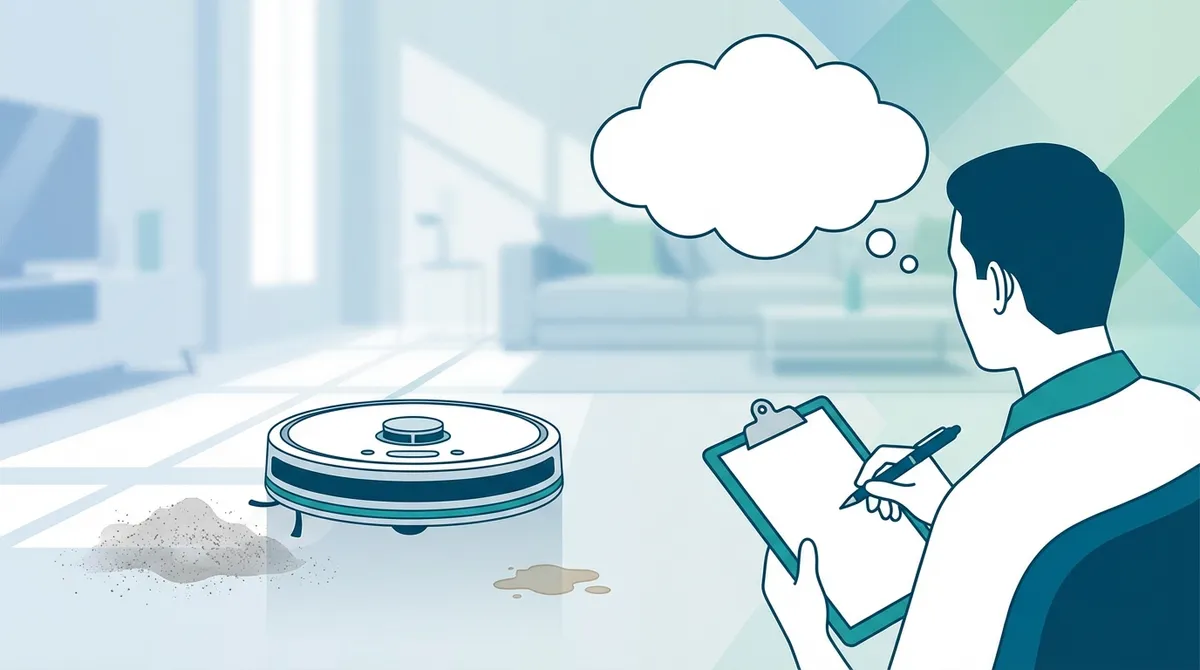
One of the biggest mistakes property owners make is diving straight into cleaning without conducting a thorough inspection first. Before you pick up a single cleaning supply, you need to walk through the entire property with a critical eye and document everything. This inspection serves multiple purposes: it helps you identify damages that need repair, guides your cleaning strategy, and provides documentation for security deposit purposes.
During your inspection, take detailed photos and notes of every room, paying special attention to high-wear areas like kitchens, bathrooms, and flooring. Look for stains on carpets, marks on walls, broken fixtures, and worn-out appliances. This documentation becomes your roadmap for the turnover process, ensuring nothing gets overlooked. According to industry experts, a comprehensive inspection can reveal issues that would otherwise go unnoticed until the next tenant moves in, potentially leading to disputes or negative reviews.
Create a standardized inspection checklist that covers every area of your property. Include items like light fixtures, window treatments, HVAC filters, appliances, plumbing fixtures, and outdoor spaces. This systematic approach ensures consistency across all your properties and makes it easier to train cleaning staff or delegate the inspection process. Remember, the inspection phase is where you catch the small problems before they become expensive emergencies.
Using Generic Cleaning Checklists
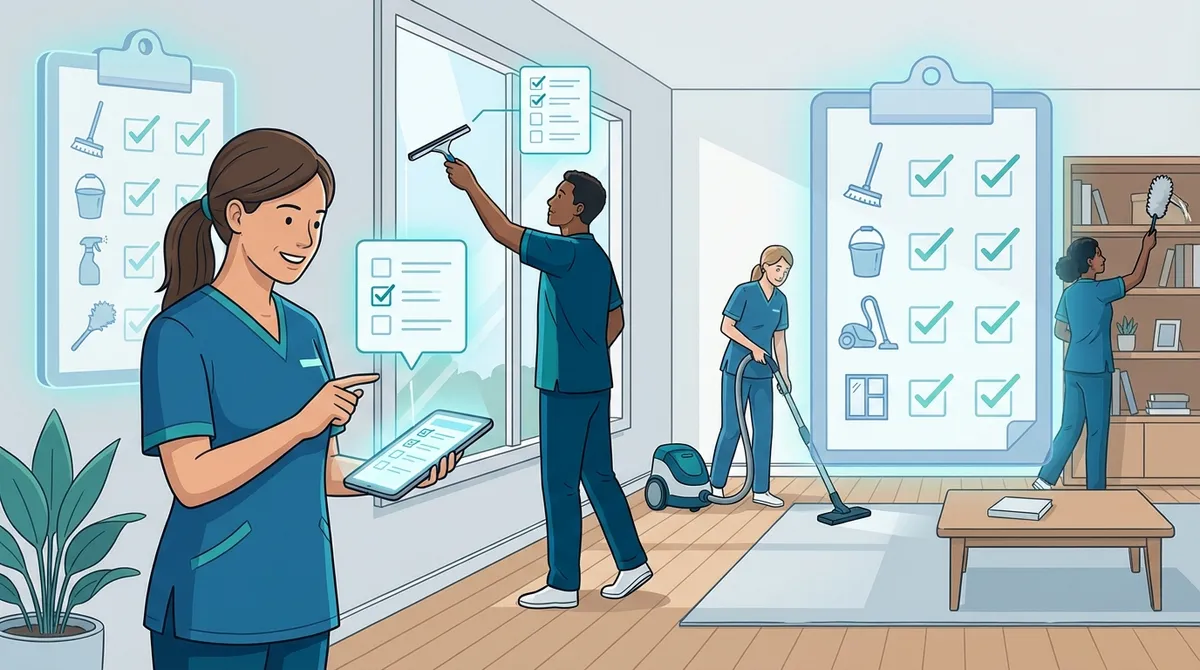
Another critical mistake is relying on one-size-fits-all cleaning checklists that don’t account for your property’s unique features. While basic cleaning tasks remain consistent, every property has its quirks—from specialty flooring that requires specific cleaning products to unique fixtures that need extra attention. A generic checklist might miss these details, resulting in incomplete turnover cleaning that leaves new tenants disappointed.
Develop customized cleaning checklists for each property type in your portfolio. A studio apartment requires different attention than a four-bedroom house, and vacation rentals have additional requirements like linen changes and amenity restocking that long-term rentals don’t need. Your checklist should be organized room by room, with specific tasks detailed for each area. For kitchens, this means not just wiping down surfaces but also cleaning inside the oven, defrosting the freezer, and sanitizing the dishwasher.
Professional property turnover & prep services understand that detailed checklists are essential for maintaining high standards. Bathrooms require particular attention—grout lines need scrubbing, shower heads need descaling, and all surfaces must be thoroughly sanitized. Windows, blinds, and baseboards often get neglected with generic checklists, but these details make a significant impression on prospective tenants during showings.

Underestimating Time Requirements
Property turnover cleaning takes significantly longer than most people anticipate, and underestimating the time required is a mistake that cascades into multiple problems. Deep cleaning a rental unit can take anywhere from four to eight hours depending on the property’s size and condition, yet many landlords allocate only a couple of hours, resulting in rushed, incomplete work.
When you rush through turnover cleaning, you inevitably miss critical areas. Those overlooked spots become glaringly obvious to new tenants, creating a poor first impression that can lead to complaints, negative reviews, or even early lease terminations. For vacation rentals especially, where guests expect hotel-level cleanliness, a rushed turnover can destroy your reputation and result in costly refunds.
Plan your turnover schedule with realistic time buffers. If you manage multiple properties, avoid back-to-back turnovers that leave no room for unexpected challenges like stubborn stains or minor repairs that surface during cleaning. Consider that properties in worse condition will require additional time—a unit left in pristine condition by considerate tenants might take four hours, while one requiring extensive cleaning could demand a full day’s work. Building in extra time protects your quality standards and reduces stress on your cleaning team.
Neglecting Minor Repairs During Turnover
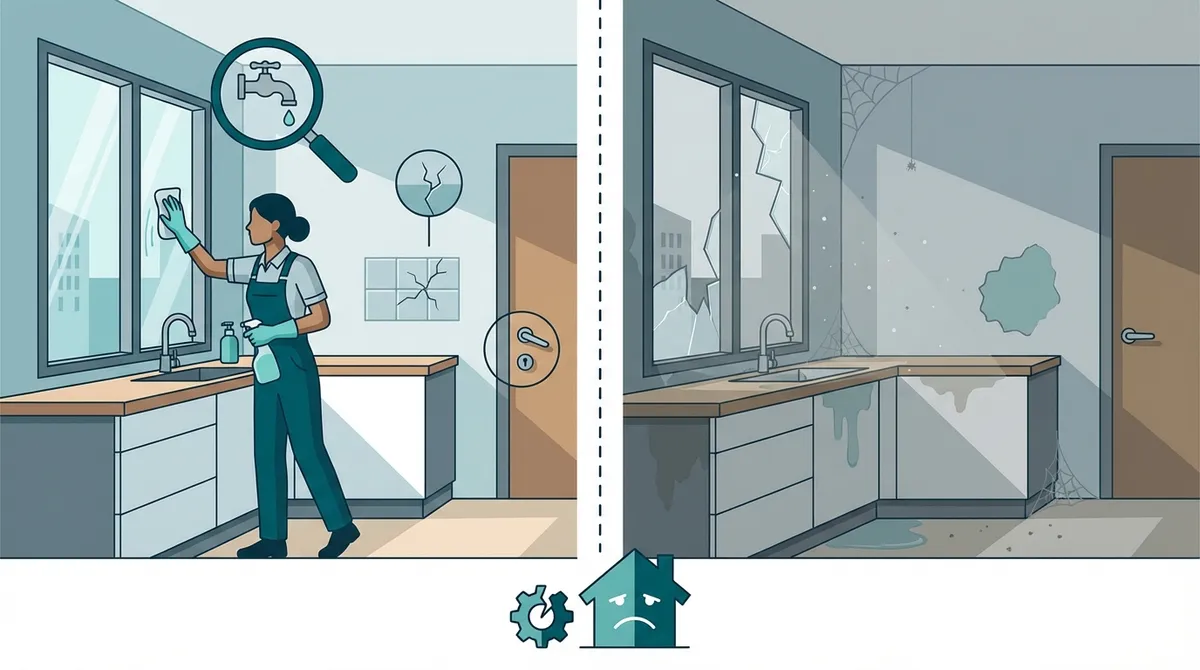
Property turnover cleaning isn’t just about cleanliness—it’s also the perfect opportunity to address minor repairs and maintenance issues. One of the most costly mistakes is focusing solely on cleaning while ignoring that leaky faucet, loose doorknob, or chipped paint. These small issues compound over time and can lead to bigger problems that are more expensive to fix later.
During the turnover process, check all faucets for leaks, test light switches and outlets, ensure cabinet doors close properly, and look for any signs of pest activity. Patch nail holes and touch up paint in high-traffic areas. Replace worn-out caulking around tubs and sinks to prevent water damage. These seemingly minor tasks make a significant difference in how tenants perceive the property’s overall condition and your commitment as a landlord.
Tropical Cleaning & Painting specializes in comprehensive repair services that integrate seamlessly with turnover cleaning. Addressing repairs during turnover is more efficient than scheduling separate appointments later, and it ensures your property is truly move-in ready. Check appliances for proper function—a refrigerator that’s not cooling correctly or a dishwasher that doesn’t drain properly needs attention before new tenants arrive, not after.
Using Incorrect Cleaning Products and Methods
Not all cleaning products are created equal, and using the wrong ones can damage your property’s surfaces or fail to achieve the deep clean necessary for turnover. Many property owners make the mistake of grabbing whatever cleaning supplies are on sale without considering whether they’re appropriate for specific materials. Harsh chemicals can damage hardwood floors, abrasive cleaners can scratch stainless steel appliances, and incorrect products can leave streaks on glass surfaces.
Different surfaces require different approaches. Natural stone countertops need pH-neutral cleaners, while laminate flooring can be damaged by excessive water. Stainless steel appliances require specific products to avoid streaking, and wood cabinets need gentle cleaners that won’t strip their finish. Research the proper cleaning methods for every material in your property, or work with professionals who already have this expertise.
Invest in quality cleaning supplies that are both effective and safe for your property’s surfaces. This includes microfiber cloths that trap dirt without scratching, appropriate vacuum attachments for different floor types, and specialty products for tough jobs like oven cleaning or grout scrubbing. While premium cleaning products cost more upfront, they protect your investment and deliver better results than bargain alternatives that might require multiple applications or cause damage.
Overlooking Often-Forgotten Areas
Even experienced property managers sometimes overlook certain areas during turnover cleaning, creating an incomplete clean that savvy tenants will notice immediately. These forgotten spots often include ceiling fans, light fixtures, air vents, baseboards, and the tops of cabinets—areas that accumulate dust and grime but aren’t at eye level during a casual walk-through.
Window tracks, blinds, and behind appliances are other commonly neglected areas. When tenants move in and start settling into their new space, they’ll discover these oversights, which can undermine their confidence in your property management standards. Make a point to check inside closets, under sinks, and in all storage areas. These spaces might not be visible during showings, but tenants will find them, and their condition matters.
Create a “hidden areas” section in your cleaning checklist specifically for these often-forgotten spots. This should include cleaning light switches and doorknobs (which harbor bacteria), wiping down window sills, vacuuming air vents, and cleaning the inside of medicine cabinets. For specialty cleaning needs, consider bringing in professionals who have the equipment and expertise to reach difficult areas like high ceilings or behind built-in appliances.
Attempting DIY for Multiple Properties
As your rental portfolio grows, trying to handle all turnover cleaning yourself becomes increasingly impractical and costly. Many property owners make the mistake of continuing DIY cleaning long after it stops making financial sense. Your time has value, and when you’re spending entire days cleaning properties instead of focusing on higher-level management tasks, you’re actually losing money.
Professional cleaning services bring efficiency, consistency, and expertise that’s difficult to match with DIY efforts. They have industrial-grade equipment, specialized knowledge of different surfaces and materials, and the ability to complete thorough cleanings in less time than it would take you. For property managers with multiple units, professional cleaners can often handle several turnovers in the time it would take you to complete one.
The cost of professional property turnover cleaning is an investment that pays for itself through reduced vacancy time, higher tenant satisfaction, and better property maintenance. Professional cleaners know how to deep clean carpets properly, sanitize bathrooms to health-code standards, and make kitchens shine in ways that attract quality tenants willing to pay premium rents. For those managing vacation rentals or multiple long-term properties, professional services aren’t a luxury—they’re a necessity for maintaining competitive standards.
Ignoring Technology and Scheduling Tools
In today’s digital age, managing property turnovers without technology is like trying to compete with one hand tied behind your back. Many property owners make the mistake of relying on paper checklists, phone calls, and memory to coordinate turnover cleaning, leading to scheduling conflicts, forgotten tasks, and communication breakdowns.
Digital inspection tools allow you to document property conditions with timestamped photos, create detailed reports, and share information instantly with cleaning teams. Online scheduling platforms help coordinate turnovers between multiple properties, track cleaning progress in real-time, and ensure nothing falls through the cracks. These tools also create accountability—you can verify when tasks were completed and maintain quality standards across all your properties.
Implement property management software that includes turnover coordination features. These systems can automatically generate cleaning checklists, send reminders to your team, and track which tasks have been completed. For vacation rentals, integration with booking platforms ensures you know exactly when turnovers need to happen and prevents double-bookings. Technology doesn’t just make turnover cleaning easier—it makes it more reliable and consistent, which directly impacts your bottom line.
Failing to Stock Essential Supplies
A surprisingly common mistake is completing a thorough turnover clean but forgetting to stock the property with essential supplies that new tenants expect. Walking into a rental without toilet paper, paper towels, or basic cleaning supplies creates an immediately negative experience, even if the property itself is spotless. This oversight is particularly critical for vacation rentals, where guests expect hotel-like amenities.
Create a standard supplies checklist that covers both cleaning products for your team and essentials for new occupants. This should include fresh towels and linens for vacation rentals, new shower curtains if needed, adequate toilet paper for the first few days, and basic cleaning supplies so tenants can maintain the property. Consider leaving a welcome basket with local information, emergency contact numbers, and instructions for appliances—small touches that significantly enhance the move-in experience.
Check that all light bulbs work and have spares available in a designated location. Ensure batteries are fresh in smoke detectors and carbon monoxide alarms. Provide trash bags, dish soap, and hand soap as basic courtesies. These small investments in tenant comfort pay dividends in positive reviews, longer tenancy periods, and reduced turnover headaches down the line.
Not Differentiating Between Long-Term and Short-Term Rentals
The turnover cleaning requirements for vacation rentals differ significantly from those for long-term leases, yet many property managers make the mistake of applying the same approach to both. Vacation rentals require more frequent, detailed turnovers with additional tasks like linen services, amenity restocking, and often same-day completion. Long-term rental turnovers happen less frequently but may require more extensive deep cleaning and repairs after tenants have lived there for months or years.
For vacation rentals, speed and consistency are paramount. Guests arriving after checkout time expect a pristine property, and reviews hinge heavily on cleanliness standards. This means having reliable cleaning teams ready to execute rapid turnovers, often with only a few hours between guests. Vacation rental turnover also includes checking and restocking consumables like coffee, shampoo, and paper products—tasks that don’t apply to long-term rentals.
Long-term rental turnovers allow more time but often require deeper attention. Carpets may need professional steam cleaning or replacement, walls likely need fresh paint, and fixtures might require updating. The approach to painting services and major cleaning differs from the lighter touch needed between vacation rental guests. Understand these differences and adjust your processes accordingly to meet the specific demands of each rental type.
Skipping the Final Walkthrough
After all the cleaning, repairs, and restocking is complete, skipping the final walkthrough is a critical mistake that can undo all your hard work. This final inspection ensures everything on your checklist was actually completed to standard, catches any missed spots, and verifies the property is truly ready for occupancy. Without this step, you risk having tenants discover problems immediately upon move-in, creating a poor first impression that’s difficult to overcome.
Conduct your final walkthrough as if you were a prospective tenant seeing the property for the first time. Check that all surfaces are clean, fixtures work properly, and the property has that fresh, welcoming feel. Run water in all faucets, flush toilets, test appliances, and check that windows and doors operate smoothly. Look for streaks on mirrors and glass, dust on surfaces, and any cleaning residue that might have been left behind.
Take fresh photos during your final walkthrough to document the property’s move-in condition. This protects you during the security deposit process and provides a baseline for the next turnover. If you find issues during the walkthrough, address them immediately before the tenant arrives. This attention to detail demonstrates professionalism and sets clear expectations for how tenants should maintain the property during their stay. For comprehensive turnover support, request a free quote from professionals who understand the importance of getting every detail right.
Neglecting Outdoor Spaces and Curb Appeal
Property turnover cleaning often focuses intensely on interior spaces while neglecting outdoor areas, which is a significant mistake since curb appeal creates the crucial first impression. Overgrown landscaping, dirty walkways, cluttered patios, and grimy exterior windows can make even a perfectly cleaned interior less appealing. Prospective tenants form opinions about your property before they even step inside, and exterior neglect suggests poor overall maintenance.
Include outdoor spaces in your comprehensive turnover process. This means mowing the lawn, trimming hedges, removing weeds, and clearing any debris from yards or balconies. Pressure wash driveways, walkways, and building exteriors if needed. Clean outdoor furniture, sweep patios, and ensure outdoor lighting fixtures are clean and functional. For properties with pools or other outdoor amenities, ensure they’re properly maintained and ready for use.
Don’t forget about less obvious outdoor elements like mailboxes, house numbers, and entry doors. A dirty front door or faded house numbers suggest neglect, even if the interior is immaculate. Sometimes junk removal services are necessary to clear out items previous tenants left in garages, sheds, or outdoor storage areas. A property with excellent curb appeal attracts better tenants and often commands higher rents, making this aspect of turnover cleaning a worthwhile investment.
Not Learning from Past Turnovers
Every property turnover is an opportunity to learn and improve your process, yet many property managers make the mistake of treating each turnover as an isolated event rather than part of a continuous improvement cycle. Failing to track what works, what doesn’t, and where problems consistently occur means you’ll keep making the same mistakes and dealing with the same issues turnover after turnover.
Keep detailed records of each turnover, including time required, costs incurred, problems encountered, and solutions implemented. Review these records regularly to identify patterns. If you’re consistently dealing with stubborn carpet stains, it might be time to upgrade to more durable flooring. If certain fixtures break frequently, consider replacing them with higher-quality alternatives. Use tenant feedback to understand which aspects of your turnover process need improvement.
Create a post-turnover review process where you evaluate what went well and what could be improved. Solicit feedback from your cleaning team about challenges they encountered or supplies they needed. Track your vacancy periods and correlate them with turnover quality—properties that undergo thorough, professional turnovers typically rent faster than those with rushed cleanings. This data-driven approach helps you continuously refine your process and maximize the return on your turnover investment.
The quality of your property turnover cleaning directly impacts your rental business success. Properties that undergo thorough, professional turnovers rent faster, attract better tenants, and maintain their value over time. By avoiding these common mistakes and implementing systematic, comprehensive turnover processes, you’ll reduce vacancy periods, increase tenant satisfaction, and protect your investment for the long term. You can see what property owners in our area are saying about professional turnover services by checking our testimonials and reading reviews from satisfied clients on Facebook.
Remember that property turnover cleaning is an investment, not an expense. The time and money you put into thorough turnovers pays dividends through reduced vacancy time, higher-quality tenants, fewer maintenance issues, and better long-term property preservation. Whether you’re managing a single vacation rental or a portfolio of long-term properties, treating turnover cleaning as a critical business process rather than a simple cleaning task will transform your rental operation. Don’t let common mistakes cost you tenants and income—prioritize professional, comprehensive turnover cleaning that keeps your properties competitive and your investment protected. For expert assistance with your next property turnover, visit us on Google to see our ratings and schedule your service today.
FAQs
Q: How long does property turnover cleaning typically take?
A: Property turnover cleaning usually takes between four to eight hours depending on the size and condition of the property. Smaller units like studios might take four hours, while larger homes or properties left in poor condition could require a full day or more. It’s always better to allocate extra time to ensure thorough cleaning rather than rushing through the process and missing important details.
Q: Should I hire professional cleaners for turnover or do it myself?
A: For single properties, DIY turnover cleaning might be manageable, but professional cleaners become essential when managing multiple properties or vacation rentals requiring quick turnovers. Professionals bring specialized equipment, expertise, and efficiency that saves time while delivering consistent results. The investment typically pays for itself through reduced vacancy time and higher tenant satisfaction.
Q: What’s the difference between regular cleaning and turnover cleaning?
A: Turnover cleaning is much more comprehensive than regular maintenance cleaning. It includes deep cleaning of all surfaces, carpet shampooing, appliance cleaning (inside and out), sanitizing bathrooms and kitchens to health standards, and addressing minor repairs. Regular cleaning focuses on surface-level tidying, while turnover cleaning prepares a property for new occupancy with hotel-level standards.
Q: What should be included in a property turnover cleaning checklist?
A: A comprehensive turnover checklist should cover every room with specific tasks: deep cleaning and sanitizing kitchens and bathrooms, carpet cleaning or vacuuming, window washing, dusting all surfaces including often-forgotten areas like ceiling fans and baseboards, checking and replacing air filters, testing all appliances and fixtures, and restocking essential supplies. Outdoor areas and curb appeal items should also be included.
Q: How does vacation rental turnover differ from long-term rental turnover?
A: Vacation rental turnovers require faster completion (often same-day), more frequent cleanings, linen changes, amenity restocking, and consistently high standards since guests expect hotel-like cleanliness. Long-term rental turnovers happen less frequently but often require deeper attention including painting, major repairs, and more extensive deep cleaning after months or years of occupancy. Both are important but serve different needs and timelines.