Key Takeaways
-
Professional office painting involves comprehensive surface preparation, including cleaning, patching, and priming to ensure long-lasting results.
-
Choose high-quality, commercial-grade paints that withstand daily wear and provide better coverage with fewer coats.
-
Consider color psychology and test paint samples under actual office lighting to create productive and mood-enhancing workspaces.
-
Schedule painting during off-hours or slow business periods to minimize operational disruption and maintain professional image.
-
Ensure proper ventilation and allow sufficient curing time to protect employee health and achieve optimal paint finish.
-
Protect office equipment and furniture with comprehensive covering techniques to prevent costly damage during painting.
-
Hire licensed, insured commercial painters with verifiable credentials and written contracts to guarantee quality and accountability.
Choosing the right office painting service can make or break your workspace transformation. Many business owners rush into painting projects without proper planning. This leads to costly mistakes, project delays, and disappointing results. Your office paint job affects employee morale, client impressions, and productivity levels. Getting it wrong means wasted money, extended downtime, and a workspace that falls short of expectations.
Professional office painting services go beyond simple wall coverage. They prepare your commercial space for success through careful surface treatment, quality materials, and minimal disruption. Whether you’re preparing an office for new tenants, updating your business image, or maintaining property value, understanding common painting mistakes helps you avoid headaches. Let’s explore the critical errors that waste your resources and how to sidestep them completely.
Skipping Professional Surface Preparation
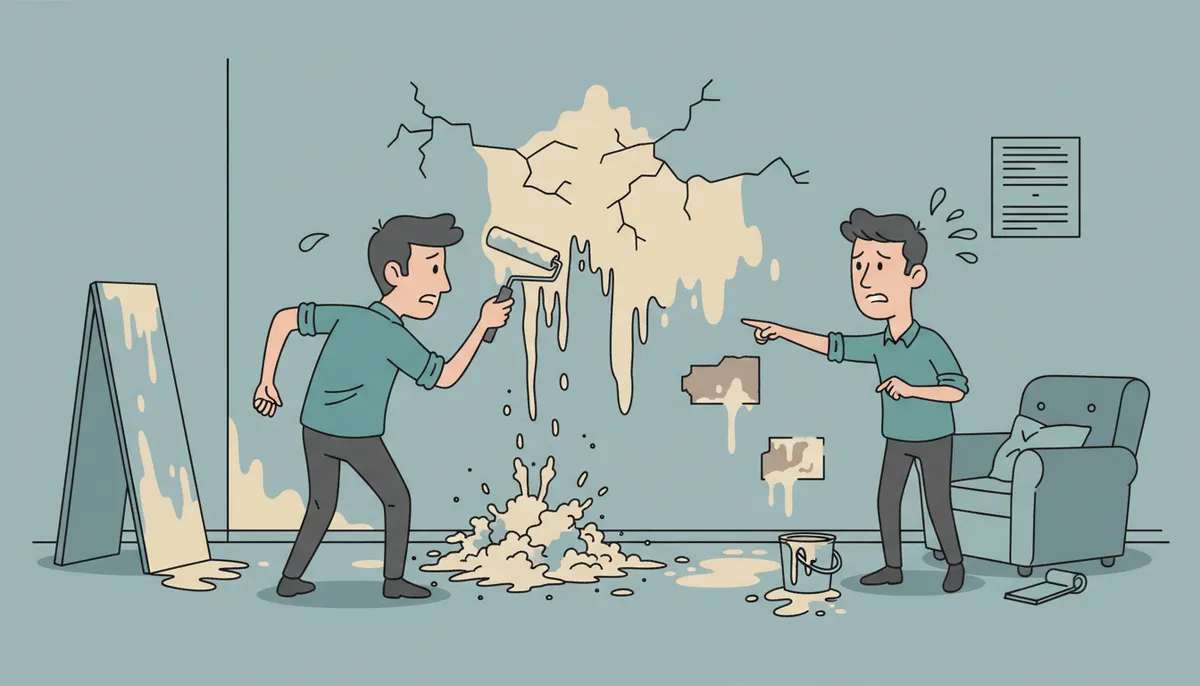
The biggest mistake in office painting is rushing past surface prep work. Many property owners think they can save money by skipping this step. This approach backfires quickly. Walls need proper cleaning, patching, and priming before any paint touches them. Dirt, grease, and old paint residue prevent new coats from adhering correctly.
Professional painters spend significant time on preparation because it determines paint longevity. They repair cracks, fill holes, sand rough spots, and apply primer where needed. Skipping these steps leads to peeling paint within months. Your fresh office walls start looking shabby before you know it. painting services that cut corners on prep work deliver temporary results at best.
Surface preparation includes protecting your office equipment, furniture, and floors. Painters should cover or move items away from walls. They need to tape off areas that shouldn’t get painted. Without proper protection, you risk damage to expensive office assets. Professional services understand this critical step and take time to safeguard your property.
Choosing Paint Based Only on Price
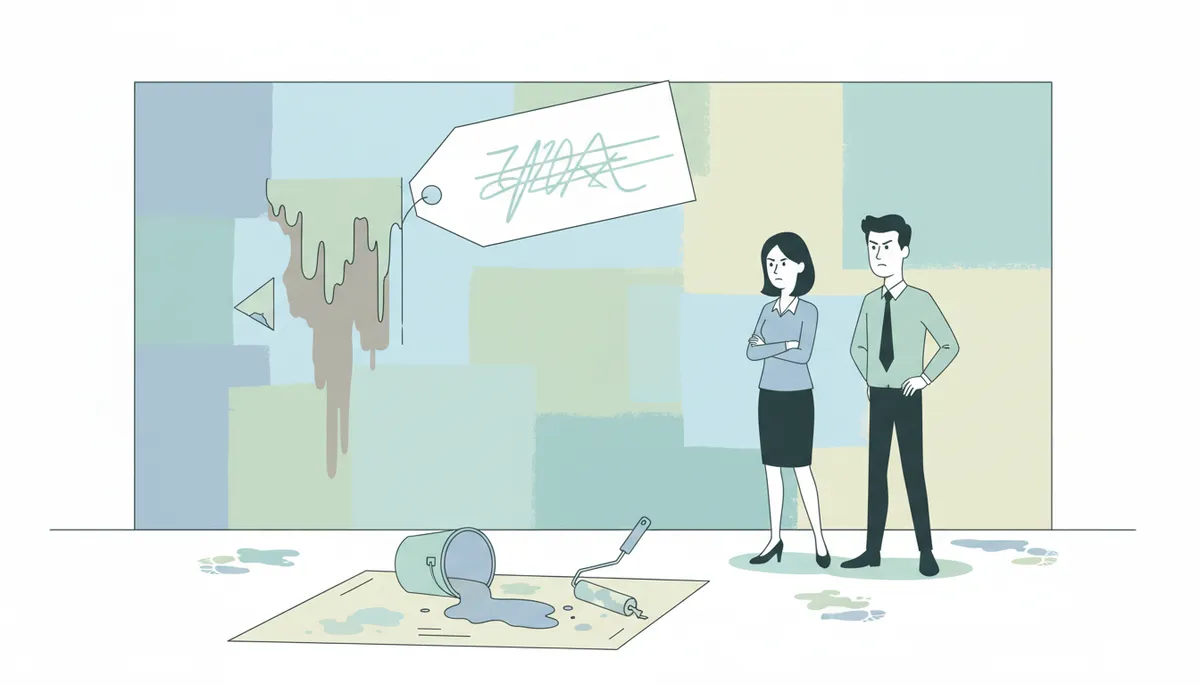
Selecting the cheapest paint option seems like smart budgeting. However, low-quality paint costs more in the long run. Cheap paint requires more coats for proper coverage. It fades faster, scratches easier, and needs repainting sooner. Your initial savings disappear when you’re repainting in two years instead of five.
Commercial spaces need durable, high-quality paints that withstand daily wear. Office walls face constant contact from furniture, cleaning, and foot traffic. Premium paints contain better pigments and binders. They resist staining, clean up easier, and maintain their appearance longer. Many professional property turnover & prep services recommend specific paint grades for commercial applications.
Consider eco-friendly, low-VOC paint options for office environments. These paints improve indoor air quality and support health goals. Traditional paints release volatile organic compounds that affect breathing and concentration. Low-VOC alternatives cost slightly more but create healthier workspaces. They’re particularly important in enclosed office areas with limited ventilation. According to recent industry research, eco-friendly paint options have become standard in commercial painting projects.
Understanding Paint Quality Grades
Paint quality breaks down into three main categories. Economy grade works for storage rooms and rarely-seen areas. Mid-grade paint suits moderate-traffic spaces like private offices. Premium grade belongs in high-traffic areas, conference rooms, and client-facing spaces. Matching paint quality to room function saves money while ensuring durability.
Premium paints also provide better coverage in fewer coats. This reduces labor time and project costs. A quality paint might need two coats instead of four. The labor savings often offset the higher paint price. Professional painters calculate total project costs, not just material expenses. They understand that better paint actually reduces overall spending.

Ignoring Color Psychology and Lighting
Color selection dramatically impacts workplace mood and productivity. Many business owners choose colors based solely on personal preference. They forget that office colors affect employee energy, focus, and stress levels. Wrong color choices create uncomfortable work environments that reduce performance.
Light colors make small offices feel more spacious and open. Dark colors add sophistication but can make spaces feel smaller. Blues and greens promote calmness and concentration. Yellows stimulate creativity and energy. Reds increase alertness but can raise anxiety in large doses. Understanding these effects helps you select appropriate colors for different office zones.
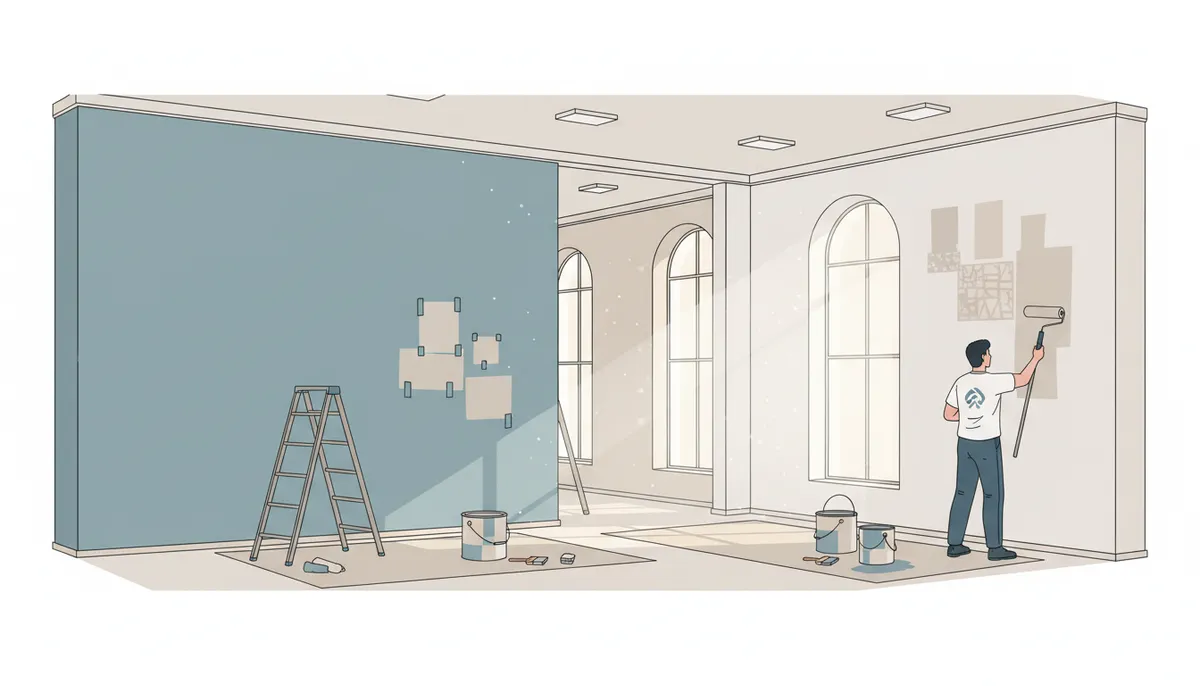
Office lighting changes how colors appear throughout the day. Natural light reveals true colors accurately. Fluorescent lighting adds a cool, bluish cast to walls. Incandescent bulbs create warm, yellowish tones. Test paint samples under your actual office lighting conditions. What looks perfect in the store might appear completely different in your workspace. Professional painters recommend testing colors on multiple walls and observing them at different times.
Testing Colors Before Committing
- Purchase small sample containers of your top color choices
- Paint 2-foot by 2-foot test squares on different walls
- Observe colors in morning, afternoon, and evening light
- Check how colors look under both natural and artificial lighting
- Consider how colors coordinate with existing furniture and decor
Failing to Schedule Around Business Operations
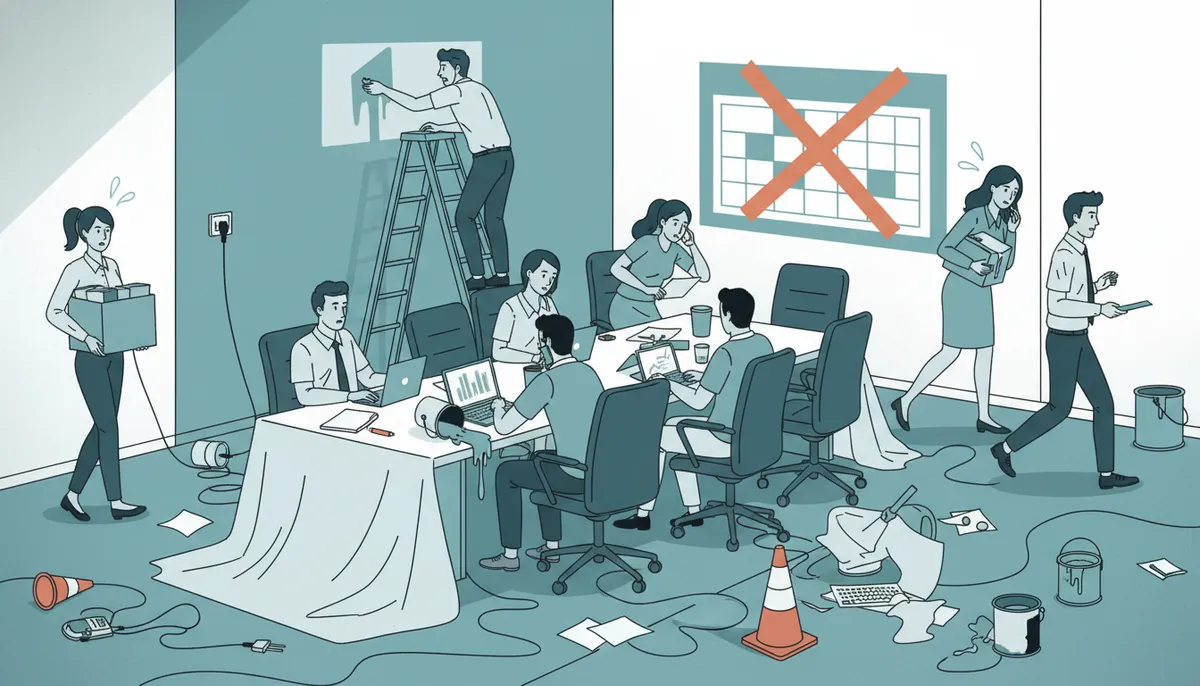
Painting during regular business hours disrupts operations significantly. Employees lose focus with paint fumes, noise, and workers moving around. Clients visiting during painting projects see your business in disarray. This damages professional image and potentially costs sales or contracts. Poor scheduling extends project timelines and multiplies inconveniences.
Professional commercial painters offer flexible scheduling options. They work evenings, weekends, holidays, and overnight shifts. This allows painting to happen while your office stands empty. Your employees return to freshly painted spaces without experiencing the process. According to industry standards, commercial painting contractors typically provide after-hours service options to minimize business disruption.
Plan painting projects during slow business periods if possible. Schedule around major deadlines, client meetings, and peak seasons. Communicate painting schedules clearly to all employees. They need adequate notice to prepare their workspaces. Remove or cover personal items, computer equipment, and important documents. Clear communication prevents damaged property and frustrated staff members.
Overlooking Proper Ventilation Requirements
Paint fumes pose health risks in enclosed office spaces. Even low-VOC paints release some airborne chemicals during application and drying. Without proper ventilation, these fumes concentrate to uncomfortable or dangerous levels. Employees returning to poorly ventilated painted spaces experience headaches, dizziness, and respiratory irritation.
Professional painting services ensure adequate air circulation throughout projects. They open windows, run exhaust fans, and use air movers when appropriate. Some projects require temporary HVAC adjustments to maintain air quality. Proper ventilation also helps paint cure correctly. Trapped moisture and fumes can prevent paint from hardening properly, leading to tacky surfaces and off-gassing problems.
Allow sufficient drying time before reoccupying painted spaces. Rushing back into freshly painted offices exposes employees to unnecessary fumes. Most paints need 24-48 hours to cure adequately. Some require longer, especially in humid conditions. Professional painters provide specific timelines for safe reentry. Follow these recommendations to protect employee health and ensure proper paint curing.
Ventilation Best Practices
- Open windows and doors to create cross-ventilation whenever possible
- Run building HVAC systems on high to circulate fresh air
- Use portable fans to direct fumes toward exits
- Schedule painting during cooler months when windows can stay open
- Allow extra drying time in humid or poorly ventilated spaces
- Consider air purifiers with VOC filters for faster safe reoccupancy
Neglecting to Protect Office Equipment and Furniture
Paint damage to computers, furniture, and equipment costs thousands. Replacing or repairing paint-splattered items often exceeds the painting project budget. Many business owners assume painters will automatically protect everything. This assumption leads to expensive surprises and insurance claims.
Professional painting contractors include comprehensive protection in their services. They cover equipment with plastic sheeting and protective paper. Large furniture gets moved to room centers and covered. Floors receive drop cloths or protective films. Electronics get unplugged and covered with static-free materials. This protection prevents paint damage and dust contamination.
Communicate with painters about particularly valuable or sensitive items. Some equipment requires special handling or complete removal from painting areas. Medical equipment, sensitive electronics, and valuable artwork need extra protection measures. If items can’t be adequately protected in place, temporarily relocate them. The inconvenience of moving items beats replacing damaged equipment.
Consider combining painting with other property turnover & prep services for efficiency. Many companies offer painting alongside deep cleaning and minor repairs. This integrated approach minimizes disruption by completing multiple tasks during one downtime period. You get a completely refreshed office without scheduling separate projects.
Hiring Unlicensed or Uninsured Painters
The cheapest painting bid often comes from unlicensed, uninsured contractors. This gamble can devastate your business. If uninsured workers get injured on your property, you face liability. If they damage your office or do substandard work, you have no recourse. Legitimate painters carry liability insurance and workers’ compensation coverage.
Licensed commercial painters demonstrate professional training and certification. They understand commercial painting requirements, safety regulations, and quality standards. They follow proper procedures for surface preparation, paint application, and cleanup. Licensed contractors stake their reputation and credentials on quality work. Unlicensed painters have no professional accountability.
Verify contractor credentials before signing agreements. Check license numbers with local authorities. Request proof of insurance and confirm coverage amounts. Ask for references from recent commercial projects. Visit us on Google to see reviews from businesses that have used professional services. Companies with solid track records willingly provide this information. Those who hesitate or make excuses likely lack proper credentials.
Questions to Ask Painting Contractors
- Are you licensed for commercial painting in this jurisdiction?
- What insurance coverage do you carry (liability and workers’ comp)?
- Can you provide references from similar commercial projects?
- How many years have you been painting commercial properties?
- What paint brands and grades do you recommend for our space?
- What is your process for surface preparation and protection?
- Can you work during off-hours to minimize business disruption?
Forgetting About Specialty Finishes and Areas
Standard wall painting doesn’t address all office painting needs. Many businesses forget about specialty areas requiring different treatments. High-traffic zones need more durable finishes than private offices. Moisture-prone areas like break rooms and restrooms require specialized paints. Trim, doors, and accent walls need different products than standard walls.
Conference rooms, reception areas, and client-facing spaces often benefit from premium finishes. These areas make first impressions on visitors and clients. They justify higher-quality paints and additional coats. Some businesses add accent walls or special finishes in these spaces. Gloss or semi-gloss finishes on trim provide easy cleaning and durability. Matte finishes on walls hide imperfections but clean less easily.
Metalwork, doors, and woodwork require different paint types than drywall. Each surface needs appropriate primers and paints for proper adhesion and appearance. Mixing up products leads to peeling, chipping, and early failure. Professional painters understand these distinctions and select appropriate materials for each surface type. They include specialty treatments in project scopes and budgets.
Consider additional specialty cleaning before painting projects begin. Deep cleaning removes years of accumulated dirt and grime. This creates better paint adhesion and more professional results. Many property preparation services combine cleaning and painting for comprehensive office refreshes.
Missing the Importance of Written Contracts
Verbal agreements for painting projects cause endless disputes. Without written contracts, you have no proof of agreed prices, timelines, or work scope. Painters might claim they never promised certain services. You might forget what was actually agreed upon. Written contracts protect both parties by clearly documenting expectations.
Comprehensive painting contracts include specific details about project scope. They list exactly which areas get painted, how many coats, and what preparation work occurs. They specify paint brands, colors, and finish types. They provide firm timelines with start and completion dates. They outline payment terms and schedules. They address cleanup procedures and disposal of materials.
Contracts should detail what happens if problems arise. They need clauses about warranty coverage, touch-up policies, and dispute resolution. They should specify who handles unexpected issues like hidden damage or additional repair needs. Clear contracts prevent misunderstandings that damage business relationships and project outcomes.
Essential Contract Elements
- Detailed scope of work listing all areas to be painted
- Specific paint brands, colors, and sheen levels
- Number of coats and application methods
- Surface preparation procedures included
- Project timeline with start and completion dates
- Total cost breakdown and payment schedule
- Warranty terms and touch-up policies
- Insurance coverage and liability provisions
- Cleanup and disposal responsibilities
Underestimating Project Timelines
Most business owners drastically underestimate painting project duration. They think a small office can be painted in a day. Reality involves surface prep, primer coats, multiple paint coats, and drying time. Each step requires adequate time for quality results. Rushing painting creates sloppy work that shows immediately.
Professional painters provide realistic timelines based on project scope. They factor in surface condition, area size, color changes, and coating requirements. Dark-to-light color changes need extra coats and time. Textured surfaces take longer than smooth walls. High ceilings require additional setup and safety measures. Accurate timelines help you plan business operations around painting schedules.
Weather and humidity affect painting timelines significantly. Paint dries slower in humid conditions or cold temperatures. Extreme heat can cause paint to dry too quickly, creating application problems. Professional painters adjust schedules based on conditions. They might delay projects or extend timelines when weather doesn’t cooperate. These delays ensure quality results rather than rushed failures.
Build buffer time into project schedules for unexpected discoveries. Painters sometimes find damaged drywall, mold, or structural issues during preparation. These problems need correction before painting continues. Finding issues is actually positive—it prevents worse problems later. However, repairs add time and cost to original estimates. Flexible timelines accommodate these necessary adjustments without panic.
Ignoring Proper Cleanup and Final Inspection
Painting projects generate significant mess despite protection efforts. Dried paint drips, dust, and debris accumulate during work. Proper cleanup restores your office to usable condition. Many contractors rush cleanup or skip detailed final cleaning. This leaves you dealing with paint-spattered surfaces and dusty spaces.
Professional painting services include thorough cleanup in their contracts. They remove all protective coverings, drop cloths, and masking tape. They vacuum or sweep floors. They wipe down surfaces that collected dust. They dispose of paint cans, used materials, and debris. They return furniture to original positions. Complete cleanup means you walk into a finished, ready-to-use space.
Conduct detailed final inspections before accepting completed work. Check all painted surfaces in good lighting. Look for missed spots, uneven coverage, and sloppy edges. Examine trim work for clean lines and proper coverage. Test for sticky or tacky areas that haven’t dried properly. Document any issues immediately with photos. Professional contractors will address legitimate concerns promptly. Companies like Tropical Cleaning & Painting stand behind their work and ensure customer satisfaction.
Final Inspection Checklist
- Check all walls for complete, even coverage without missed spots
- Examine edges and corners for clean, straight lines
- Inspect trim, doors, and woodwork for proper coating
- Verify ceiling edges are clean without wall paint overspray
- Look for paint drips, runs, or splatters on surfaces
- Confirm all furniture and equipment was properly protected
- Check that floors are clean and free of paint residue
- Verify all protective materials have been removed
Avoiding Maintenance Planning
Fresh paint doesn’t last forever without proper care. Many business owners think painting is a one-time project. They don’t plan for ongoing maintenance or future touch-ups. This mindset leads to premature paint deterioration and more frequent full repaints. Strategic maintenance extends paint life significantly.
Establish cleaning protocols that protect painted surfaces. Use appropriate cleaning products that won’t damage paint finishes. Avoid abrasive cleaners or rough scrubbing on walls. Address stains and marks promptly before they become permanent. Regular dusting prevents dirt buildup that dulls paint appearance. Professional specialty cleaning services understand how to maintain painted surfaces without damage.
Keep extra paint for future touch-ups and repairs. Store paint properly in sealed containers in temperature-controlled areas. Label containers clearly with room names and color information. Small touch-ups prevent minor damage from becoming major eyesores. They extend time between complete repaints. Most professional painters provide extra paint or specify exact products used for future reference.
Schedule regular office inspections to catch paint problems early. Look for peeling, cracking, fading, or staining. Address these issues promptly before they spread. Early intervention costs far less than waiting until problems become severe. Many property maintenance companies offer regular inspection services as part of comprehensive property turnover & prep services.
Choosing the Right Office Painting Service
Selecting quality office painting services makes the difference between professional results and costly mistakes. Avoid contractors who rush through proposals without asking questions about your needs. Professional painters ask about traffic levels, existing conditions, timeline requirements, and budget constraints. They provide detailed written estimates that break down costs clearly.
Check contractor portfolios and references from similar commercial projects. Ask to see photos of completed office painting work. Request contact information for recent commercial clients. Follow up with these references to ask about quality, professionalism, and project management. Established companies like Tropical Cleaning & Painting maintain strong reputations through consistent quality and customer service. Their experience with property preparation and turnover services ensures smooth projects from start to finish.
Compare multiple bids carefully, but don’t choose based on price alone. The lowest bid often cuts corners on preparation, materials, or labor quality. Mid-range bids from reputable contractors typically provide better value. They balance competitive pricing with quality materials and professional workmanship. Remember that painting affects your business image and employee environment. Investing in quality painting pays dividends through durability, appearance, and reduced maintenance needs.
Taking Action for Your Office Painting Project
Office painting projects significantly impact your workspace quality and business image. Avoiding common mistakes saves money, time, and frustration. Focus on proper surface preparation, quality materials, and professional contractors. Plan projects around business operations to minimize disruption. Protect equipment and furnishings adequately. Verify contractor credentials and insurance coverage. Get detailed written contracts that specify all project elements.
Choose painting services that understand commercial requirements and offer flexible scheduling. Look for companies providing comprehensive solutions including preparation, painting, and cleanup. Consider businesses that combine painting with other services like repair services or specialty cleaning for complete office refreshes. These integrated approaches save time and ensure coordinated results.
Remember that office painting represents an investment in your business environment. Quality work enhances employee morale, impresses clients, and protects property value. Poor work wastes money and creates ongoing problems. Take time to select contractors carefully and plan projects thoroughly. The effort pays off in beautiful, durable results that serve your business for years.
Ready to transform your office with professional painting services? Don’t risk costly mistakes with inexperienced contractors. Visit Facebook to see recent project galleries and customer reviews. Connect with Airbnb hosts and property managers who trust professional services for their commercial spaces. When you’re ready to start your office painting project, request a free quote from experienced commercial painting professionals who deliver quality results on time and within budget.
FAQs
Q: What should I look for in a professional office painting service?
A: Look for licensed and insured contractors with commercial painting experience. They should provide detailed written estimates, references from similar projects, and flexible scheduling options. Professional services include thorough surface preparation, quality materials, equipment protection, and complete cleanup. Check their reputation through online reviews and ask about their process for minimizing business disruption.
Q: How long does a typical office painting project take?
A: Project duration depends on office size, surface condition, and color changes. A small office might take 2-3 days including preparation, priming, and multiple coats. Larger commercial spaces require a week or more. Professional painters provide realistic timelines based on your specific needs. Weather and humidity can extend drying times, so build buffer time into your schedule for quality results.
Q: Can office painting be done without disrupting business operations?
A: Yes! Professional commercial painters offer after-hours scheduling including evenings, weekends, and overnight shifts. This allows painting while your office is empty. Your employees return to freshly painted spaces without experiencing disruption. Communicate schedules clearly and plan projects during slower business periods when possible. Proper ventilation and adequate drying time ensure safe reoccupancy.
Q: What type of paint is best for commercial office spaces?
A: Commercial offices need durable, high-quality paints that withstand daily wear and cleaning. Premium-grade paints offer better coverage, longer life, and easier maintenance than budget options. Consider low-VOC or zero-VOC paints for healthier indoor air quality. High-traffic areas benefit from washable finishes, while private offices can use standard commercial-grade paints. Professional painters recommend specific products based on your space and usage.
Q: How do I protect office equipment during painting projects?
A: Professional painters cover equipment with plastic sheeting and protective paper. They move furniture to room centers, tape off areas, and use drop cloths on floors. Electronics should be unplugged and covered with static-free materials. Communicate about valuable or sensitive items that need special handling. Some equipment may require temporary relocation if it can’t be adequately protected in place.