
Key Takeaways
-
Warm neutrals like terracotta and soft taupe are replacing cool grays, creating cozy and welcoming interior environments that work with diverse design styles.
-
Deep, rich colors like navy blue and forest green are making powerful accent wall statements, adding sophistication and luxury to spaces when balanced with lighter elements.
-
Limewashing is experiencing a revival, creating textured, old-world walls with subtle depth and an authentic, breathable finish that develops character over time.
-
Color drenching – painting walls, ceilings, and trim in the same shade – creates cohesive, sophisticated spaces that make rooms feel larger and more intentional.
-
Metallic paint accents are becoming statement elements, adding glamour and light reflection through subtle glazes, stenciled patterns, or highlighted architectural details.
Walking into a beautifully painted room can completely change how you feel about your home. The colors on your walls set the mood, reflect your personality, and create the backdrop for your daily life. In 2025, home interior painting has evolved beyond simple color choices into an exciting world of textured finishes, bold statements, and sophisticated techniques that transform ordinary spaces into extraordinary havens.
Whether you’re preparing your property for sale, updating your rental, or simply craving a fresh look, understanding the latest painting trends helps you make choices that feel both current and timeless. The good news? Today’s interior painting trends embrace warmth, personality, and creative expression while remaining surprisingly accessible for various budgets and skill levels. Let’s explore the most captivating trends that are reshaping interiors this year.

1. Warm Neutrals Replace Cool Grays
The era of stark, cool gray walls is gracefully stepping aside to make room for warmer, more inviting neutrals. Colors like terracotta, creamy beige, soft taupe, and warm sand tones are dominating interior spaces in 2025. These shades create cozy, welcoming environments that feel lived-in and comfortable rather than cold or clinical.
Warm neutrals work beautifully in any room, from living areas to bedrooms, and they pair effortlessly with both modern and traditional furniture styles. They also provide excellent backdrops for artwork and decorative pieces without overwhelming your space. If you’re considering a property turnover & prep services project, warm neutrals offer broad appeal that resonates with diverse tastes.
These colors also have the practical advantage of hiding minor wall imperfections better than stark whites while still keeping rooms feeling bright and open. The warmth in these tones comes from undertones of red, orange, or yellow, which create a subtle glow that makes spaces feel more inviting throughout the day.
2. Deep, Rich Colors for Drama and Sophistication
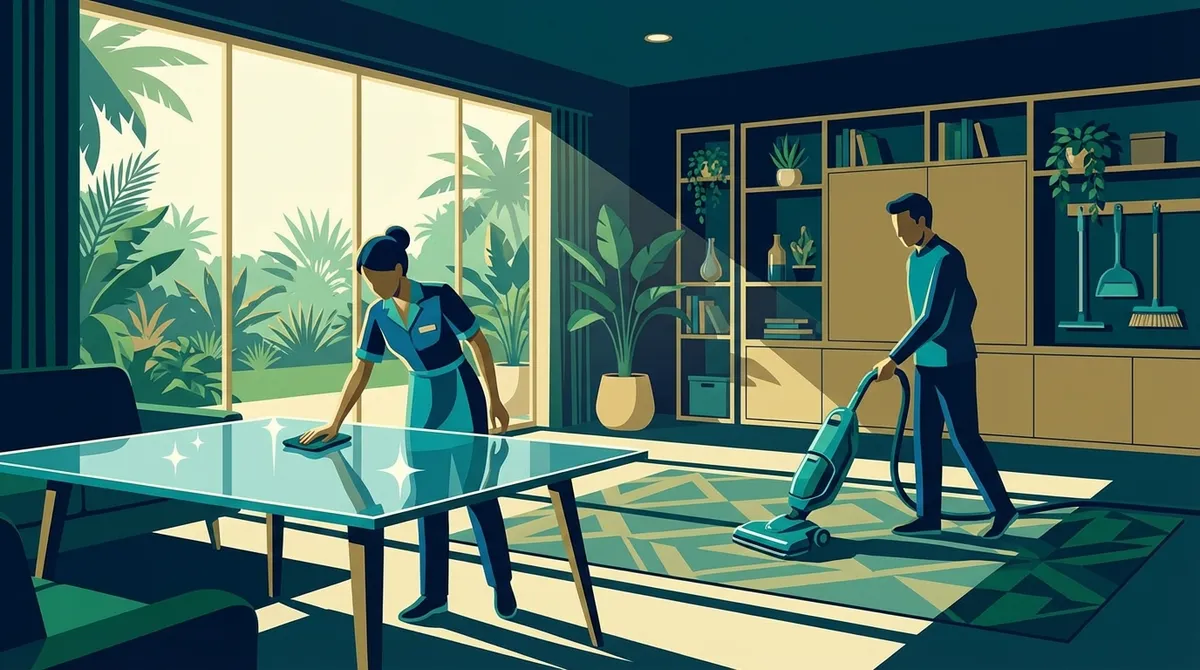
While neutrals dominate main living areas, deep and rich colors are making powerful statements in 2025. Navy blue, forest green, charcoal gray, and deep plum are trending choices for accent walls, dining rooms, home offices, and bedrooms. These saturated hues add depth, sophistication, and a sense of luxury to interior spaces.
Rich colors work particularly well in rooms where you want to create an intimate, cocooning effect. A deep navy study feels focused and productive, while a forest green bedroom promotes restful sleep. The key to using these colors successfully is balancing them with lighter elements—white trim, natural wood furniture, or lighter-colored textiles.
When executed properly, dark walls can actually make rooms feel larger by blurring the boundaries between walls and creating an immersive environment. Professional painting services can help you achieve the smooth, even coverage these dramatic colors require for the best results.
3. High-Gloss and Satin Finishes Return
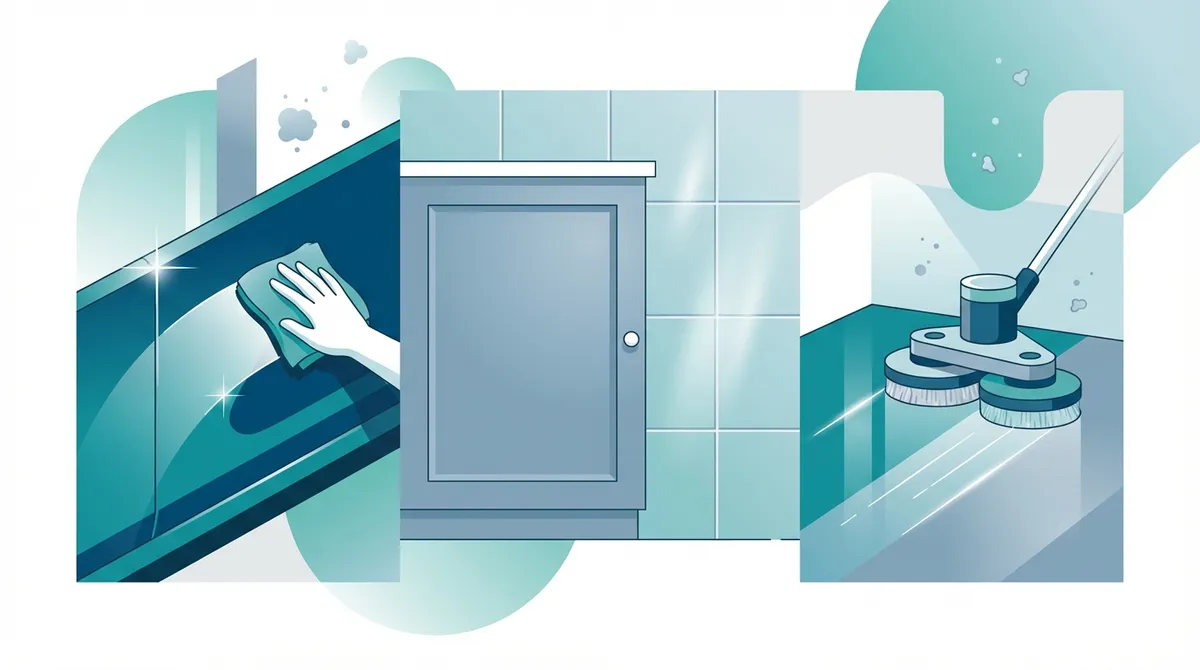
Matte finishes have dominated recent years, but 2025 is witnessing a significant shift toward high-gloss and satin finishes. These sheens offer enhanced depth, reflect light beautifully, and create a polished, sophisticated appearance that elevates any space.
High-gloss finishes work exceptionally well on trim, doors, and accent walls where you want to create visual interest. They’re also practical choices for high-traffic areas and rooms prone to moisture, like kitchens and bathrooms, since they’re easier to clean than matte finishes. Satin finishes provide a happy medium—offering subtle sheen without the full reflectivity of gloss.
The play of light across these finishes adds dimension to walls, making colors appear richer and more dynamic as lighting conditions change throughout the day. Consider using different sheens within the same color family to create subtle contrast and architectural interest.
4. Limewashing for Textured, Old-World Charm
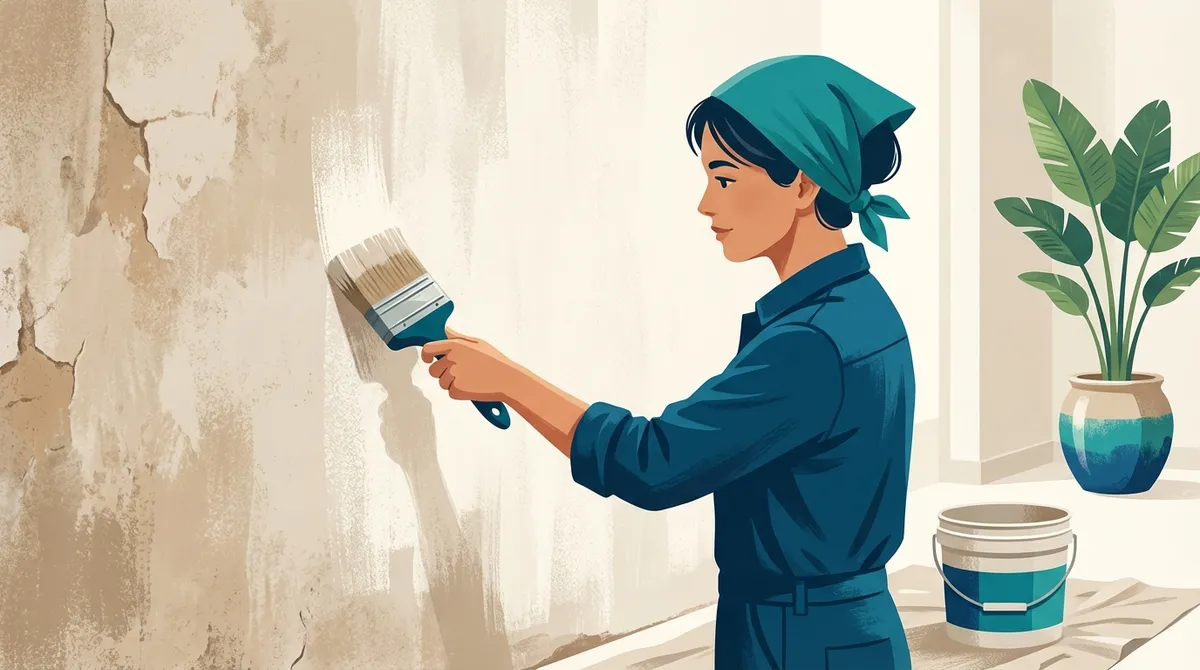
Limewashing, a centuries-old painting technique, is experiencing a major revival in 2025. This method creates a soft, matte finish with subtle texture and variations that add depth and character to walls. The slightly uneven, chalky appearance delivers an authentic, old-world aesthetic that feels both rustic and refined.
Unlike standard paint, limewash is breathable and develops a beautiful patina over time, creating walls that feel like they have history and soul. The technique works beautifully in various settings—from Mediterranean-inspired homes to modern farmhouse interiors. Popular limewash colors include soft whites, warm creams, dusty pinks, and muted earth tones.
Applying limewash requires different techniques than conventional paint, so it’s worth consulting with professionals who understand the material. The result is walls with organic variation and depth that simply can’t be replicated with standard flat paint.
5. Color Drenching Creates Immersive Spaces
Color drenching—painting walls, ceilings, trim, and even doors in the same shade—is one of 2025’s most exciting trends. This technique creates a cohesive, enveloping effect that makes spaces feel intentional and sophisticated rather than disjointed.
Contrary to what you might expect, color drenching can actually make small rooms appear larger by eliminating visual breaks that segment the space. When everything flows together in one harmonious hue, your eye travels smoothly around the room without stopping at contrasting trim lines.
This approach works with virtually any color—soft neutrals create serene sanctuaries, while bold hues make dramatic statements. The key is selecting a color you truly love, since it will completely define the room’s character. Start with lighter shades if you’re hesitant about committing to such a bold approach.
6. Metallic Accents Add Luxury and Light
Metallic paint finishes and accents are becoming statement-making elements in interior design. Gold, copper, bronze, and silver paints add glamour and sophistication while reflecting light to brighten spaces. These finishes work beautifully as accent walls, on ceilings (especially in powder rooms), or highlighting architectural details.
You don’t need to go full metallic to embrace this trend. Many homeowners are incorporating metallic elements through stenciled patterns, geometric designs, or painted furniture pieces. Even subtle metallic glazes over standard paint colors can add dimension and interest.
Metallic finishes pair particularly well with deep, rich base colors. Imagine a navy wall with copper metallic accents or a forest green room with gold highlights. The contrast creates visual drama while the metallics add warmth and light reflection that prevents dark colors from feeling heavy.
7. Accent Walls Make a Confident Comeback
Accent walls are back, but they’re more sophisticated than ever. Rather than simply painting one wall a different color, 2025’s accent walls incorporate bold colors, textured finishes, wallpaper, wood accents, and creative painting techniques that make them true focal points.
The most successful accent walls anchor a room’s design—behind a bed, framing a fireplace, or highlighting an architectural feature. They work best when they enhance existing room features rather than compete with them. Consider pairing your accent wall with complementary repair services to ensure your walls are smooth and ready for their moment in the spotlight.
Textured accent walls using techniques like limewashing, Venetian plaster, or decorative paint methods add even more interest. These three-dimensional finishes catch light differently throughout the day, creating dynamic surfaces that flat paint simply can’t match.
8. Earthy Terracotta Tones Bring Warmth
Terracotta and clay-inspired colors are among 2025’s most popular paint choices. These warm, earthy tones range from soft peachy-pinks to deeper rust and burnt orange shades. They bring natural warmth and organic beauty to interiors while remaining surprisingly versatile.
Terracotta shades work beautifully in living rooms, dining areas, and bedrooms. They pair wonderfully with natural materials like wood, rattan, and linen, creating spaces that feel grounded and connected to nature. These colors also complement both warm and cool accent colors, making them adaptable to various design schemes.
The psychological effect of terracotta tones shouldn’t be underestimated. These colors promote feelings of comfort, security, and warmth—perfect for creating spaces where people naturally want to gather and relax. They’re especially effective in homes with abundant natural light, where they glow beautifully throughout the day.
9. Two-Tone Walls Add Architectural Interest
Two-tone wall treatments are gaining popularity as a way to add visual interest without overwhelming a space. This technique involves painting the upper and lower portions of walls in different colors, typically separated by chair rail molding or a crisp horizontal line.
Classic combinations include darker colors on the bottom with lighter shades above, which creates a grounding effect while keeping rooms feeling open. However, creative homeowners are experimenting with unexpected pairings—complementary colors, varying shades of the same hue, or even contrasting warm and cool tones.
Two-tone walls also offer practical benefits. Darker colors on the lower portion hide scuffs and marks better, making this approach ideal for high-traffic areas, hallways, and homes with children or pets. The horizontal division can also make rooms with low ceilings appear taller when executed thoughtfully.
10. Sage Green Offers Tranquil Sophistication
Sage green has emerged as a favorite among homeowners seeking calming, nature-inspired interiors. This muted, gray-green shade offers sophistication without feeling too bold, making it accessible for those hesitant about color commitment. Sage works beautifully in bedrooms, bathrooms, and living spaces where you want to promote relaxation.
The beauty of sage green lies in its versatility. It pairs wonderfully with warm wood tones, crisp whites, brass fixtures, and natural textiles. It also serves as an excellent backdrop for both minimalist and maximalist design approaches. Whether your style leans modern, traditional, or eclectic, sage green adapts gracefully.
This color also photographs beautifully, making it an excellent choice if you’re preparing a property for sale or rental listings. It feels current and fresh without being trendy, ensuring your space won’t feel dated quickly. For comprehensive property preparation, Tropical Cleaning & Painting offers specialty cleaning services to complement your new paint job perfectly.
11. Painted Ceilings Become the Fifth Wall
The “fifth wall”—your ceiling—is receiving much-deserved attention in 2025. Rather than defaulting to standard white, homeowners are treating ceilings as opportunities for creativity and visual interest. Painted ceilings can dramatically transform a room’s atmosphere and apparent proportions.
Lighter colors on ceilings can make rooms feel taller and more spacious, while darker shades create intimate, cozy environments. Some designers recommend painting ceilings the same color as walls for the color-drenching effect, while others suggest complementary shades that add subtle contrast.
Don’t overlook unexpected ceiling colors like soft blush, pale blue, or even dramatic charcoal. In rooms with interesting architectural details like coffered ceilings or exposed beams, contrasting ceiling colors highlight these features beautifully. The ceiling is often overlooked, but it significantly impacts how a room feels.
12. Layered Finishes Create Depth and Dimension
Advanced painting techniques that layer different finishes are becoming increasingly popular among homeowners seeking truly unique spaces. These methods combine base coats with glazes, washes, or specialty finishes to create depth and visual complexity that standard single-coat painting can’t achieve.
Techniques like color washing, ragging, sponging, and glaze layering add subtle texture and variation to walls. These approaches work particularly well with neutral base colors, where the layering adds interest without overwhelming the space. The result is walls that look hand-crafted and custom rather than simply painted.
While some layering techniques are DIY-friendly, complex finishes often benefit from professional application to achieve the desired effect. The investment in skilled application pays off in results that look sophisticated and intentional rather than accidentally uneven.
Choosing the Right Finish for Each Room
Beyond color selection, choosing appropriate paint finishes for different rooms significantly impacts both aesthetics and functionality. Kitchens and bathrooms benefit from satin or semi-gloss finishes that resist moisture and clean easily. Living rooms and bedrooms can embrace matte or eggshell finishes that hide minor wall imperfections while providing subtle sophistication.
High-traffic areas like hallways, entryways, and children’s rooms perform better with more durable, washable finishes. Consider your lifestyle and how each space is used when selecting finishes. A beautiful color in the wrong finish can lead to maintenance headaches down the road.
Testing Colors Before Committing
No matter which trend speaks to you, always test paint colors in your actual space before making final decisions. Paint large swatches directly on your walls and observe them at different times of day under various lighting conditions. Colors look dramatically different in morning sunlight versus evening lamplight.
Consider how your furnishings, flooring, and fixed elements like countertops interact with potential paint colors. What looks perfect in a magazine might clash with your existing tile or cabinetry. Taking time to test saves the expense and frustration of repainting because a color didn’t work as expected.
Many paint retailers offer small sample sizes specifically for testing purposes. This small investment prevents costly mistakes and gives you confidence in your final selection. Live with your test swatches for at least a few days before deciding.
The Professional Advantage
While some interior painting projects make great DIY endeavors, others benefit significantly from professional expertise. Complex techniques like limewashing, color drenching with multiple surfaces, or intricate two-tone applications require skill and experience to execute properly.
Professional painters also complete work more quickly, with cleaner results and less disruption to your daily life. They understand proper surface preparation, which significantly impacts how paint adheres and how long it lasts. For property owners preparing homes for sale or new tenants, professional results make a substantial difference in first impressions.
Tropical Cleaning & Painting specializes in comprehensive property preparation, ensuring your space looks its absolute best. Their experienced team understands the latest techniques and can help you select colors and finishes that align with current trends while suiting your specific space.
Timing Your Interior Painting Project
Interior painting can technically happen year-round, but certain considerations affect optimal timing. Spring and fall offer moderate temperatures and good ventilation options. Summer heat can cause paint to dry too quickly, while winter cold may extend drying times and require keeping windows closed.
If you’re painting before moving into a new home or preparing a property for turnover, schedule painting before furniture placement whenever possible. Empty rooms are significantly easier and faster to paint, and you won’t need to worry about protecting furnishings or navigating around obstacles.
For occupied homes, consider painting one room at a time to minimize disruption. This approach also allows you to live with colors before committing to painting your entire home, giving you confidence in your choices as you progress through the space.
Interior painting trends in 2025 celebrate both boldness and warmth, offering options for every personality and space. Whether you’re drawn to the serene sophistication of sage green, the drama of deep navy, or the welcoming embrace of warm terracotta, this year’s trends provide inspiration for transforming your home into a space that truly reflects who you are.
Ready to refresh your interior spaces with the latest painting trends? Request your free quote from Tropical Cleaning & Painting today. Their expert team specializes in preparing properties for sale, rental, or move-in with comprehensive painting and cleaning services that make your space shine. Visit us on Google to see what satisfied customers are saying about their transformative work, or check out their Facebook page for before-and-after inspiration.
FAQs
Q: What are the most popular interior paint colors for 2025?
A: The top interior paint colors for 2025 include warm neutrals like terracotta, creamy beige, and soft taupe, which have replaced cool grays as dominant choices. Deep, rich colors such as navy blue, forest green, and charcoal gray are trending for accent walls and feature spaces. Sage green has also emerged as a favorite for its calming, nature-inspired sophistication that works beautifully in bedrooms, bathrooms, and living areas.
Q: How do I choose between matte, satin, and high-gloss paint finishes?
A: Your finish choice should match both your aesthetic preferences and practical needs. Matte finishes hide wall imperfections well and work beautifully in low-traffic areas like bedrooms and living rooms. Satin finishes offer subtle sheen with good durability, making them ideal for family rooms and hallways. High-gloss finishes provide the most durability and are easiest to clean, perfect for kitchens, bathrooms, trim work, and high-traffic areas where walls need frequent wiping.
Q: What is color drenching and how can I use it in my home?
A: Color drenching is a painting technique where you apply the same color to all surfaces in a room—walls, ceiling, trim, and doors—creating an immersive, cohesive look. This approach actually makes small spaces appear larger by eliminating visual breaks that segment the room. Start with lighter shades if you’re hesitant about commitment, and ensure you truly love the color since it will completely define the room’s character and atmosphere.
Q: Are accent walls still in style for 2025?
A: Yes! Accent walls have made a confident comeback in 2025, but they’re more sophisticated than before. Today’s accent walls go beyond simple color pops to incorporate bold colors, textured finishes like limewashing, wallpaper, wood accents, and creative painting techniques. The most successful accent walls anchor a room’s design by highlighting architectural features or creating focal points behind beds, fireplaces, or seating areas.
Q: What is limewashing and is it suitable for all rooms?
A: Limewashing is a centuries-old painting technique that creates a soft, matte finish with subtle texture and natural variations that add depth and character to walls. The breathable material develops a beautiful patina over time, delivering an authentic old-world aesthetic. Limewashing works beautifully in various settings from Mediterranean-inspired to modern farmhouse interiors, though it requires different application techniques than conventional paint and benefits from professional installation for best results.